
Exhibition: Límites de un esquema 2025
Galeria Nac
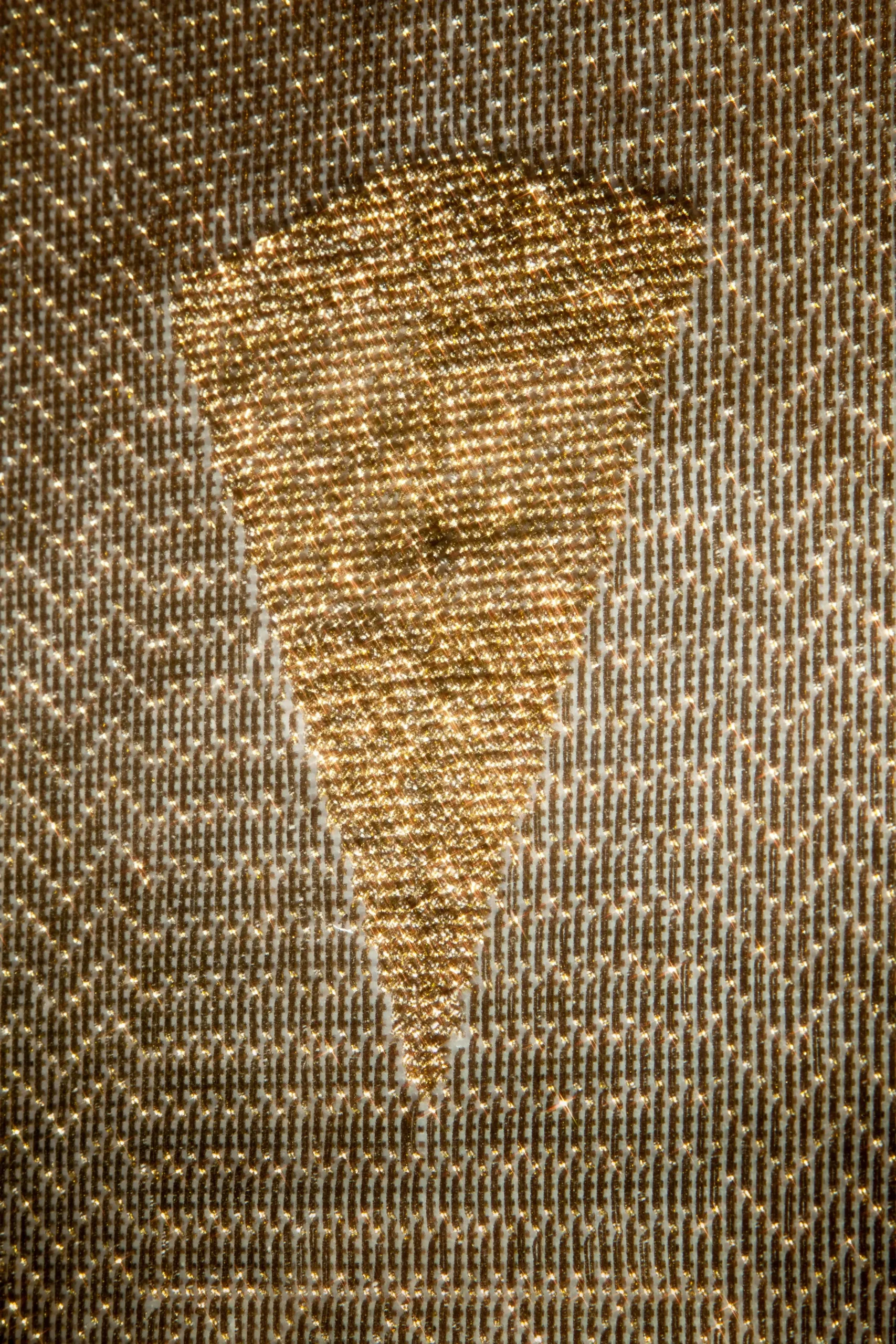
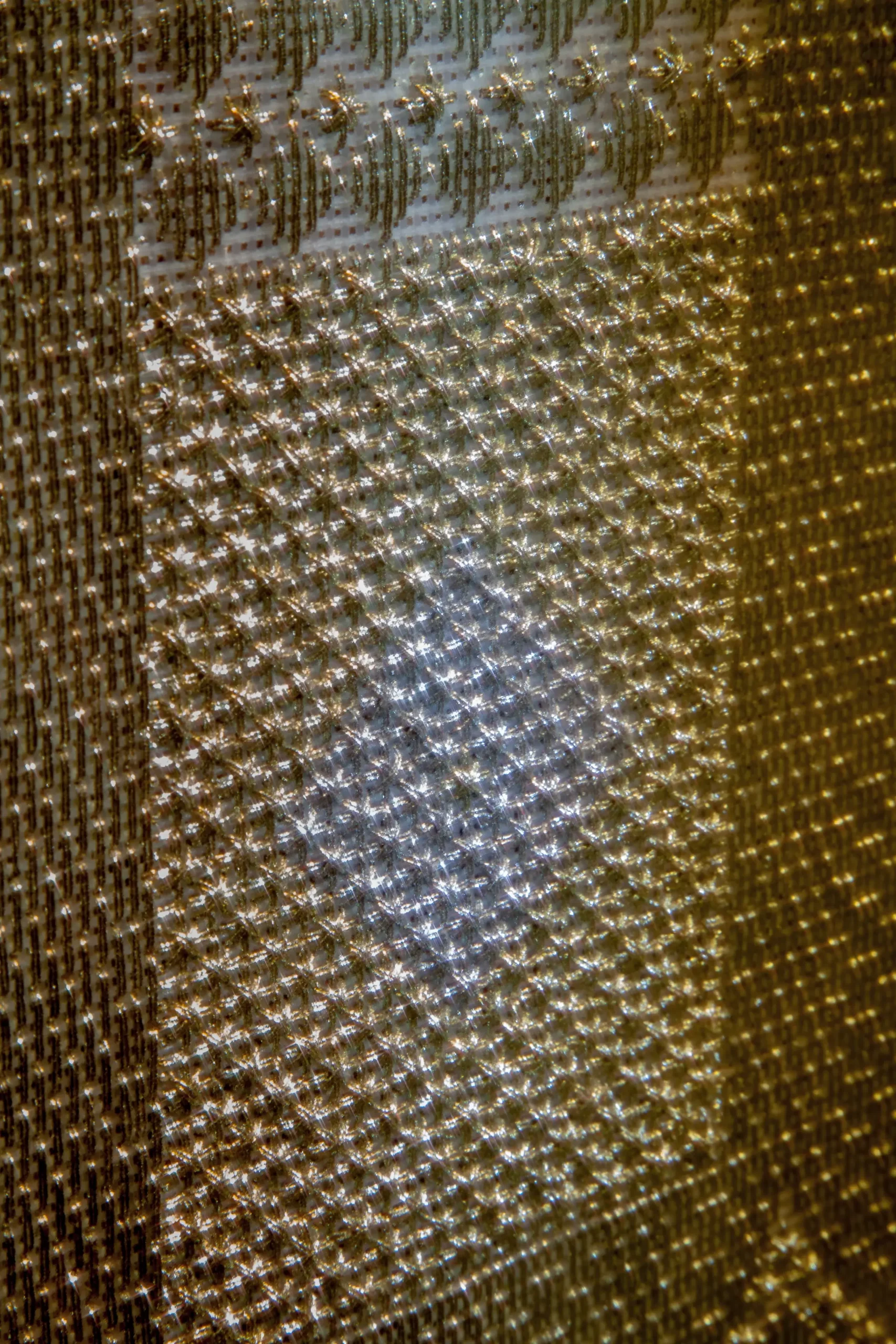
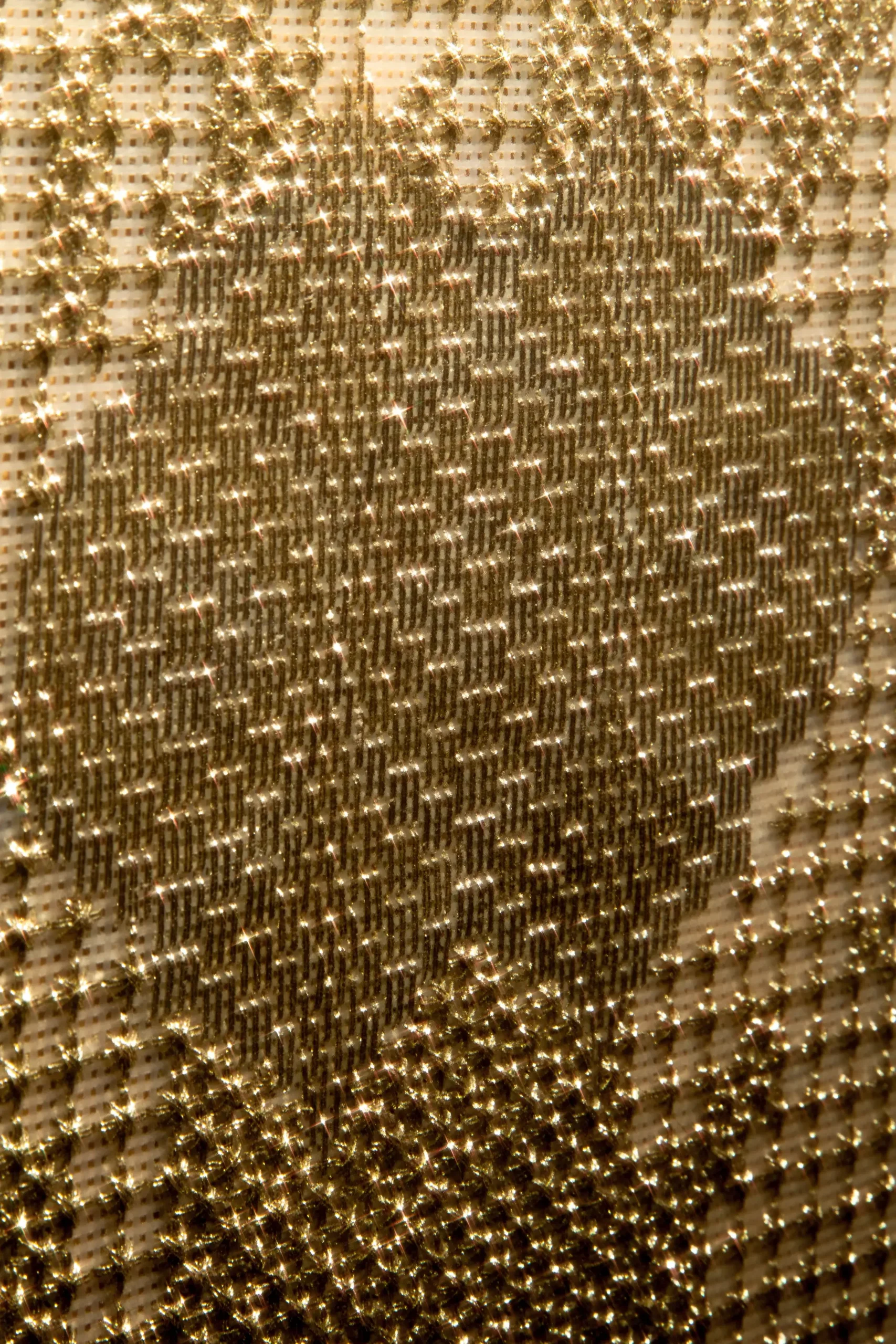
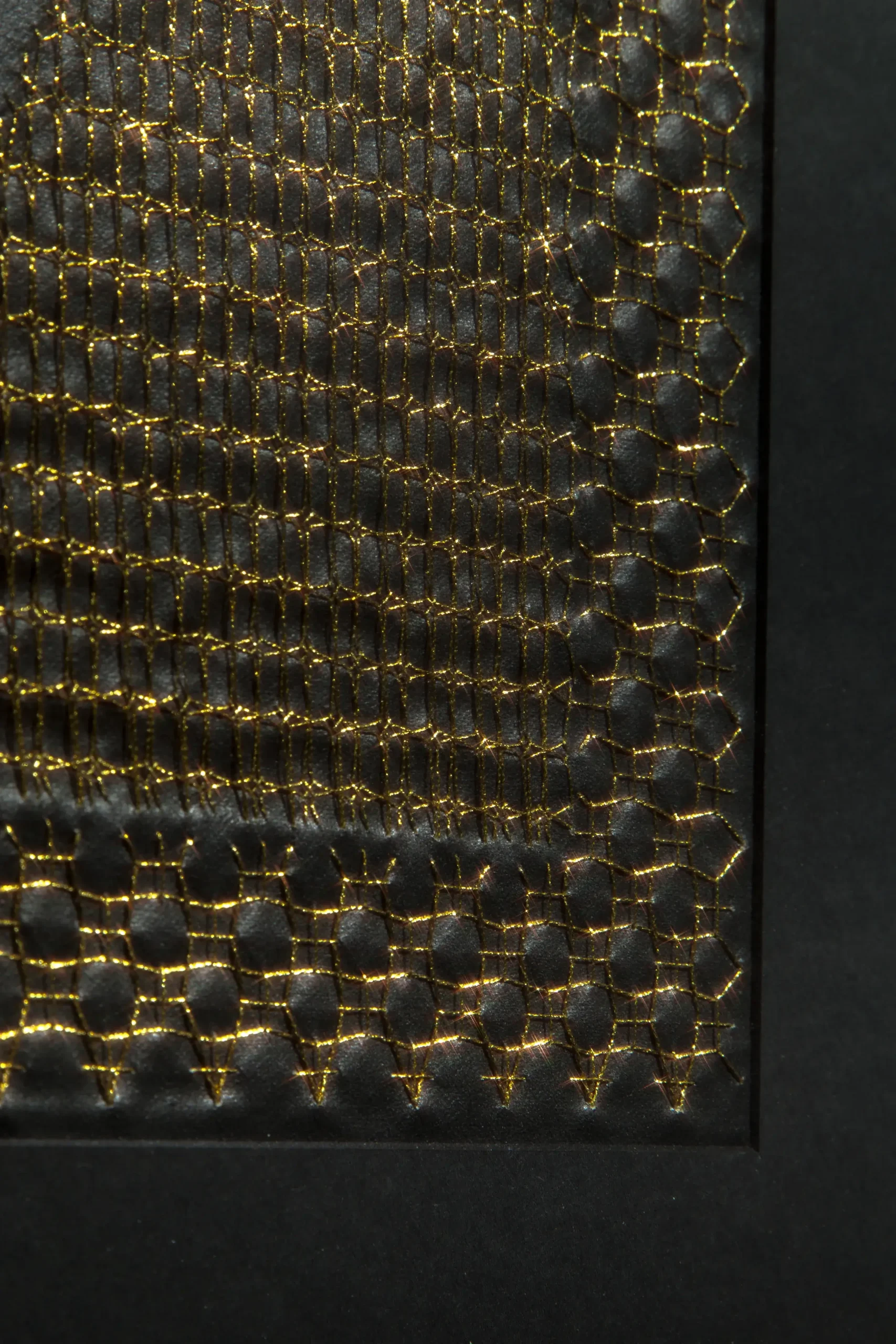
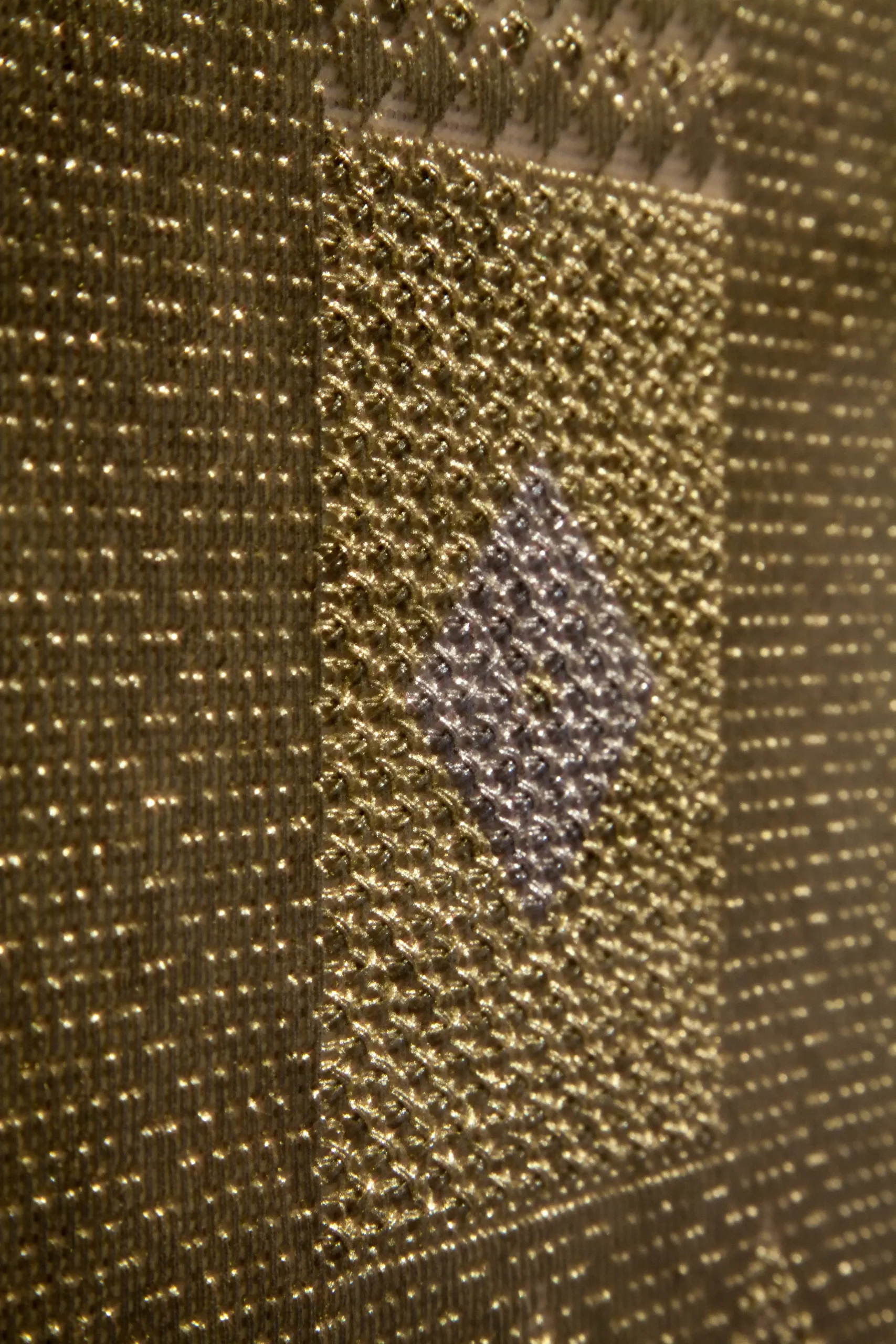
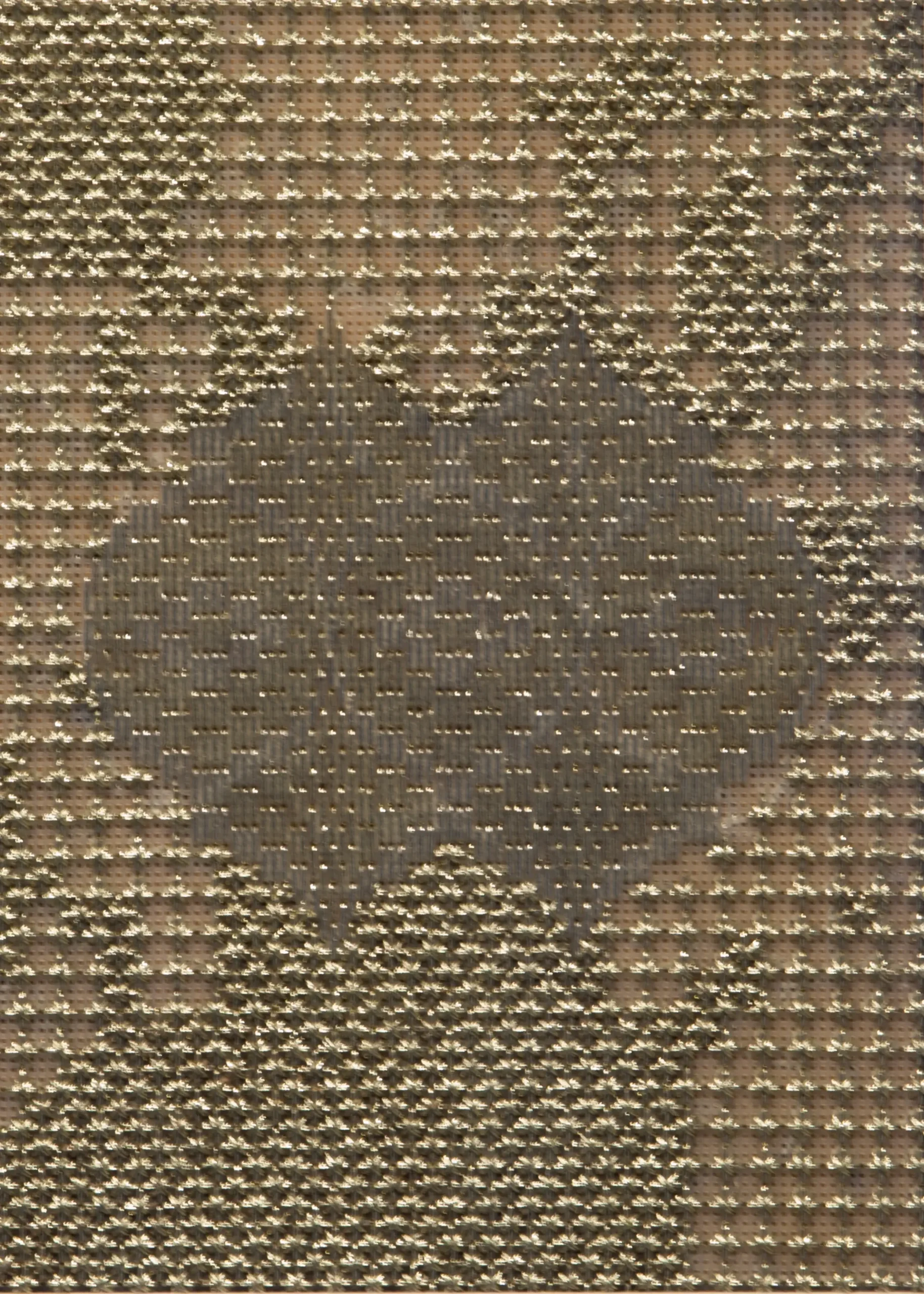
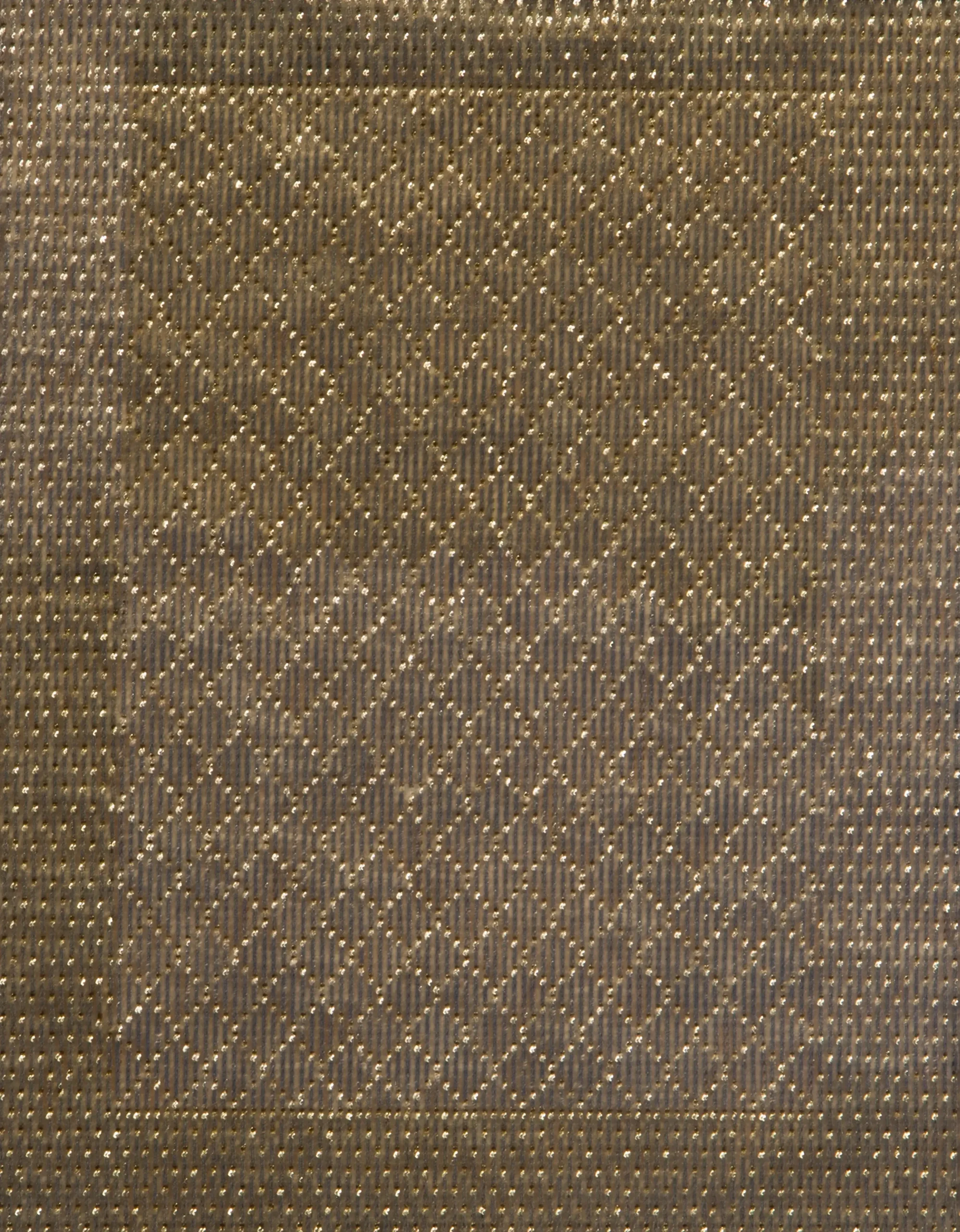
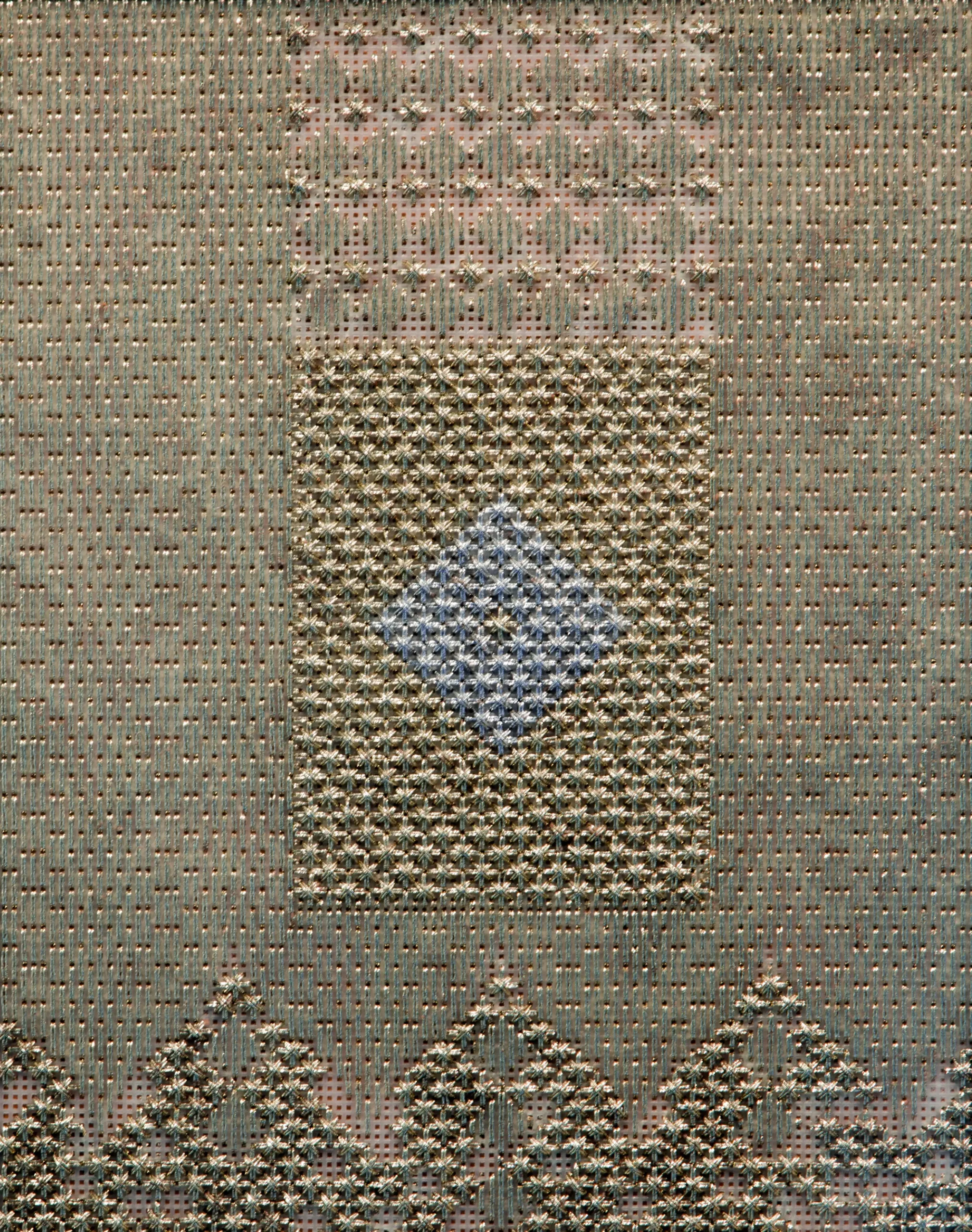
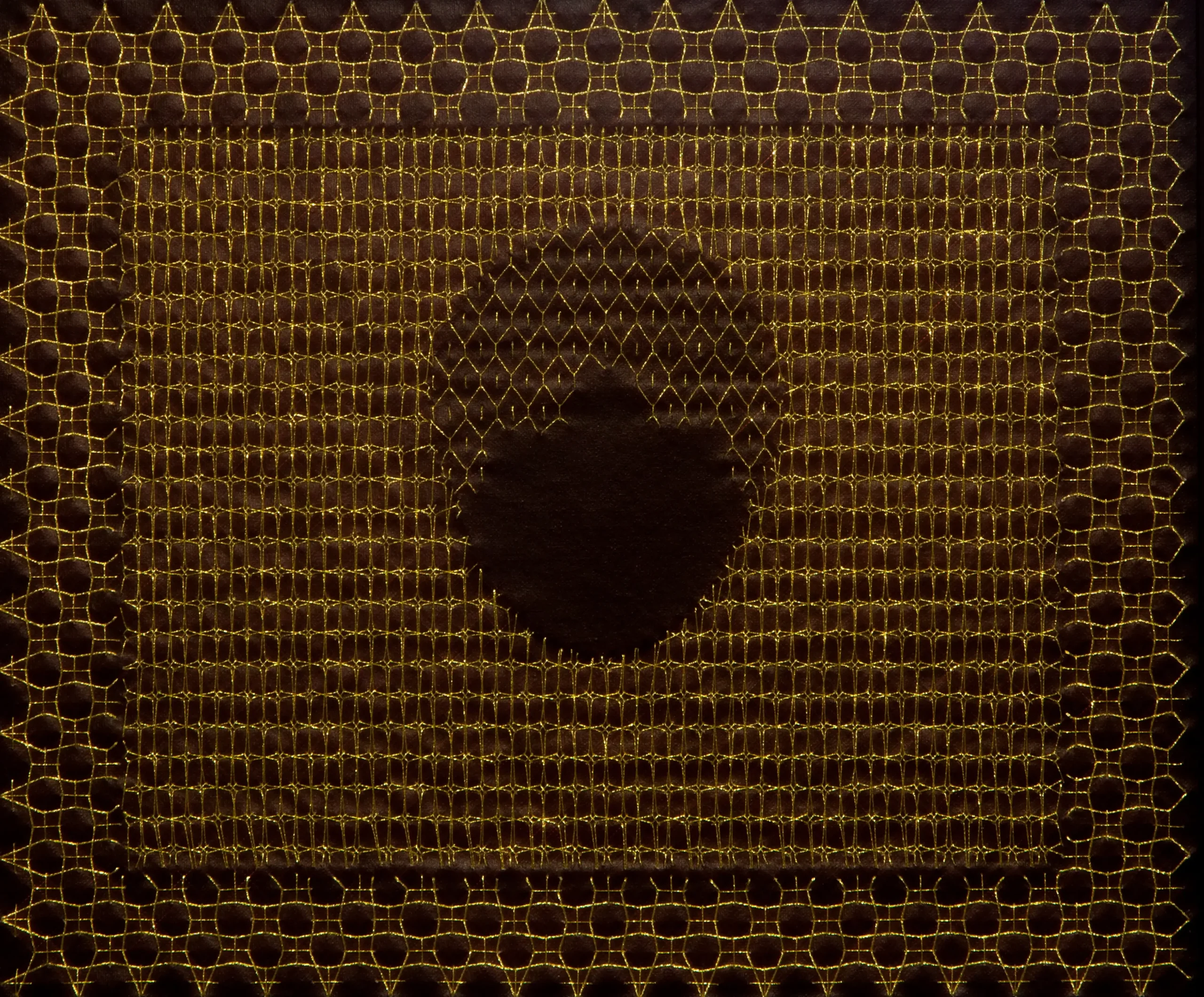
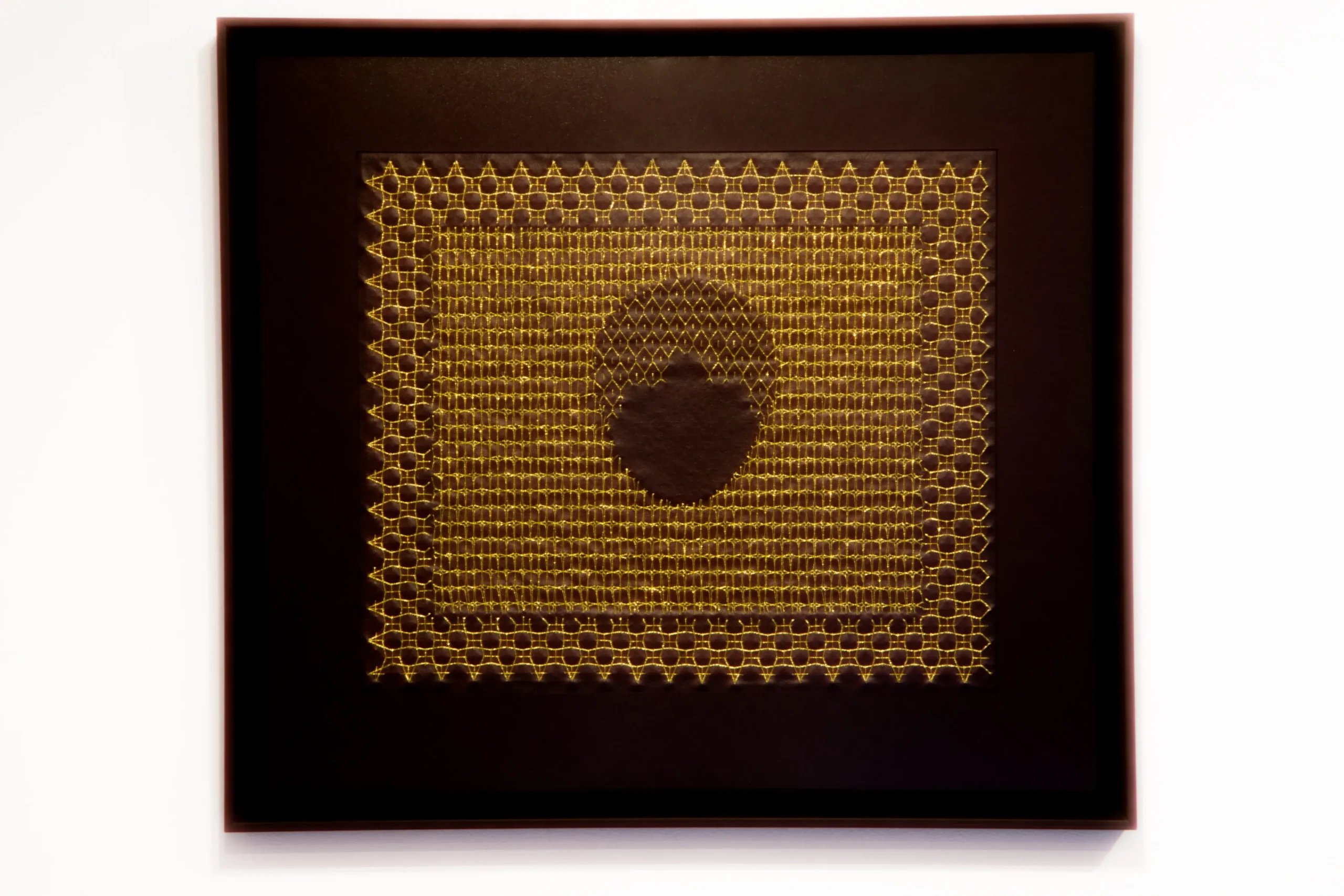
Stitch after stitch, cut after cut, thread after thread, time becomes eternal in embroidery. The technique varies, the stitches change, the minutes on the clock pass more and more slowly. Time comes to a halt. Forms shift, beginning with the object, becoming silhouette, and returning to patterns.
Always under the question of women and those tasks they carried out, resigned to the private sphere. In confinement, often as punishment. The research is pursued with determination: how did women inhabit the colonial era? How was life experienced in the Houses of Correction?
“Limits of a Scheme” is the continuation of the exhibition “Costumbres,” held in 2023 by Aurora Anita, in which, through the women’s periodical La Moda Elegante and testimonies from the Houses of Correction, this invisibilized reality—lived in Chile and Latin America—was brought into the present. These institutions were created with the intention of “confining and ‘correcting’ those women who broke the moral and cultural boundaries under which they ‘were meant to live’ in their communities” (Onetto, 2009, p. 160), ultimately becoming true female prisons.
In an initial phase, Aurora used goldwork embroidery and golden threads to highlight period garments through the negative. The silhouettes of these garments were portrayed by the artist to question what were understood as “good customs,” through clothing that sought to constrain and reflect socially accepted values. In the current exhibition, delving deeper into the same theme, she moves away from figuration to give way to patterns.
In a kind of return to technique, the artist reclaims the essence of embroidery: abstract patterns that serve as the foundation for any work in this medium. Tablecloths, clothing, bags, quilts, and countless textiles have been adorned with these forms; hundreds of stories have taken refuge beneath these stitches, tracing what we call a scheme, thus delineating space, giving value to the simple, and emphasizing limits.
— Elisa Massardo P
Puntada tras puntada, corte tras corte, hilo tras hilo, el tiempo se hace eterno en el bordado. La técnica varía, los puntos cambian, los minutos de reloj pasan de forma cada vez más lenta. El tiempo se detiene. Las formas se modifican, partiendo con el objeto, deviniendo en la silueta y volviendo a los patrones.
Siempre bajo la pregunta sobre la mujer y aquellas labores que realizaba resignada al mundo de lo privado. En el encierro, muchas veces bajo castigo. Puntualizando en la investigación con firmeza: ¿cómo habitaba la mujer en la época colonial?, ¿cómo se habitaba en Las Casas de Recogidas?
“Límites de un esquema”, es la continuación de la exposición “Costumbres”, realizada en 2023, por Aurora Anita, en la que a través del periódico para mujeres La Moda Elegante y testimonios de Las Casas de Recogidas, se trajo al presente esta realidad invisibilizada que se vivió en Chile y Latinoamérica, sobre estos recintos creados con la intención de “encerrar y ‘encauzar’ a aquellas mujeres que rompieran con aquellos límites morales y culturales bajo los que ‘debían vivir’ en sus comunidades” (Onetto, 2009, p. 160), que terminaron convirtiéndose en verdaderas prisiones femeninas.
Aurora, en una primera instancia utilizó el bordado en oro e hilos dorados resaltando prendas de vestir de la época a través del negativo. Las siluetas de las vestimentas fueron retratadas por la artista para cuestionar lo que se entendían por “buenas costumbres” a través de estas prendas que buscaban oprimir y reflejar los valores aceptados por la sociedad. En la exposición actual, profundizando en la misma temática, se aleja de lo figurativo para dar paso a los patrones.
En una especie de retorno a la técnica, la artista retoma la esencia del bordado: los patrones abstractos que sirven como base para cualquier trabajo de esta técnica: manteles, ropa, bolsos, colchas y miles de tejidos, se han visto adornados con estas formas, cientos de historias se han refugiado bajo estas puntadas bordeando aquello que llamamos esquema, delimitando así el espacio, dando valor a lo simple, remarcando los límites.
- Por Elisa Massardo P.
