
Exhibition: Costumbres 2023
Centro Cultural Las Condes
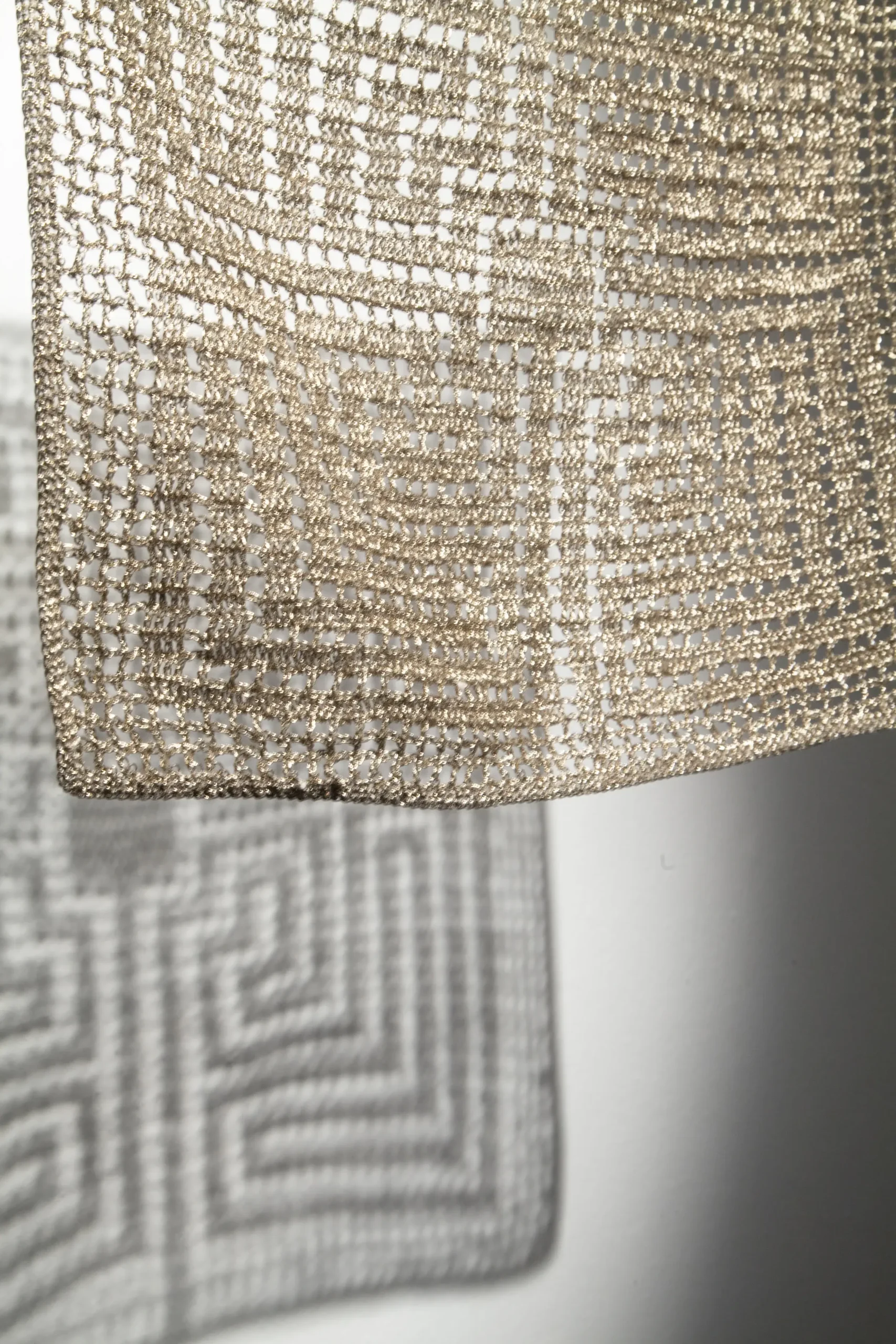
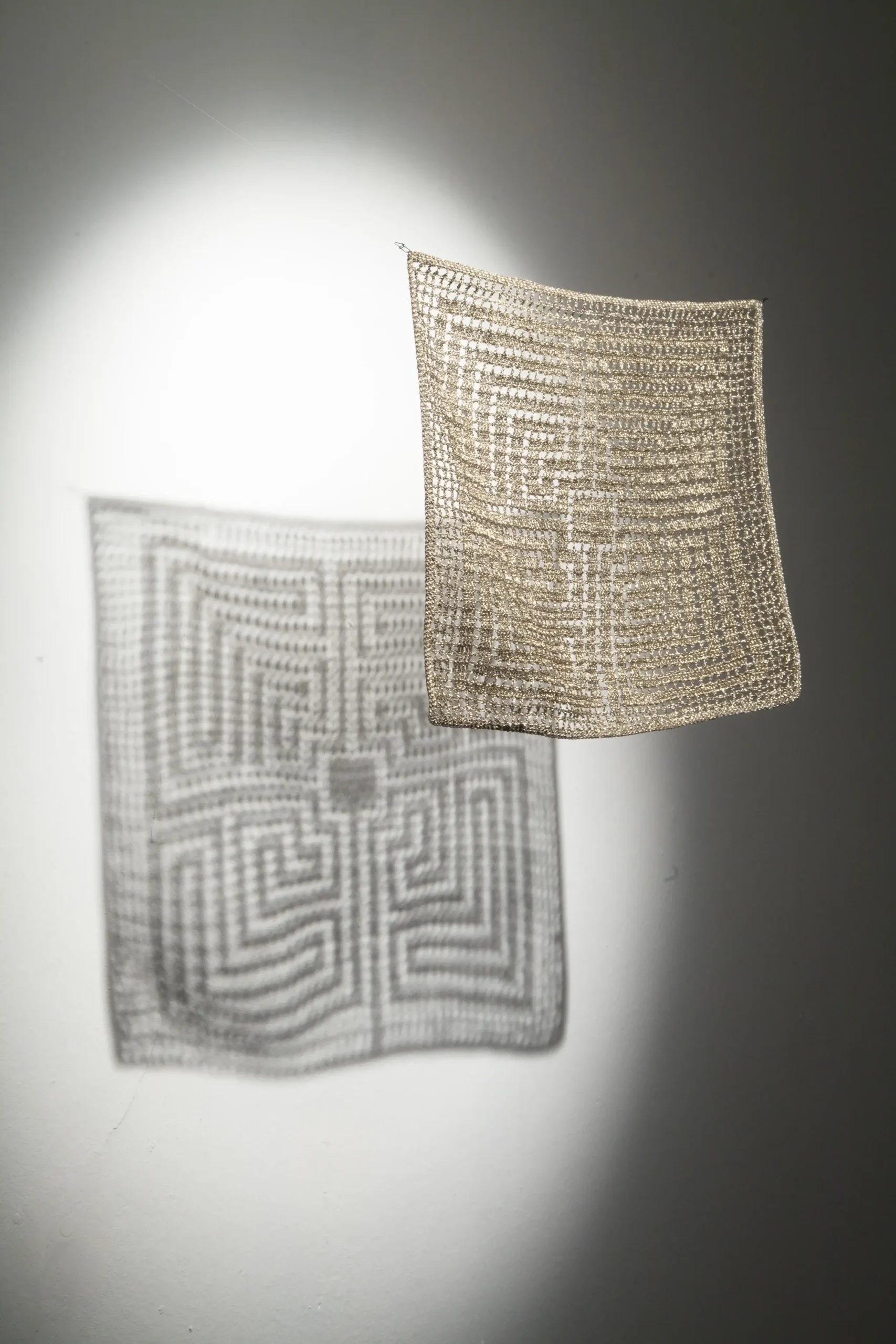
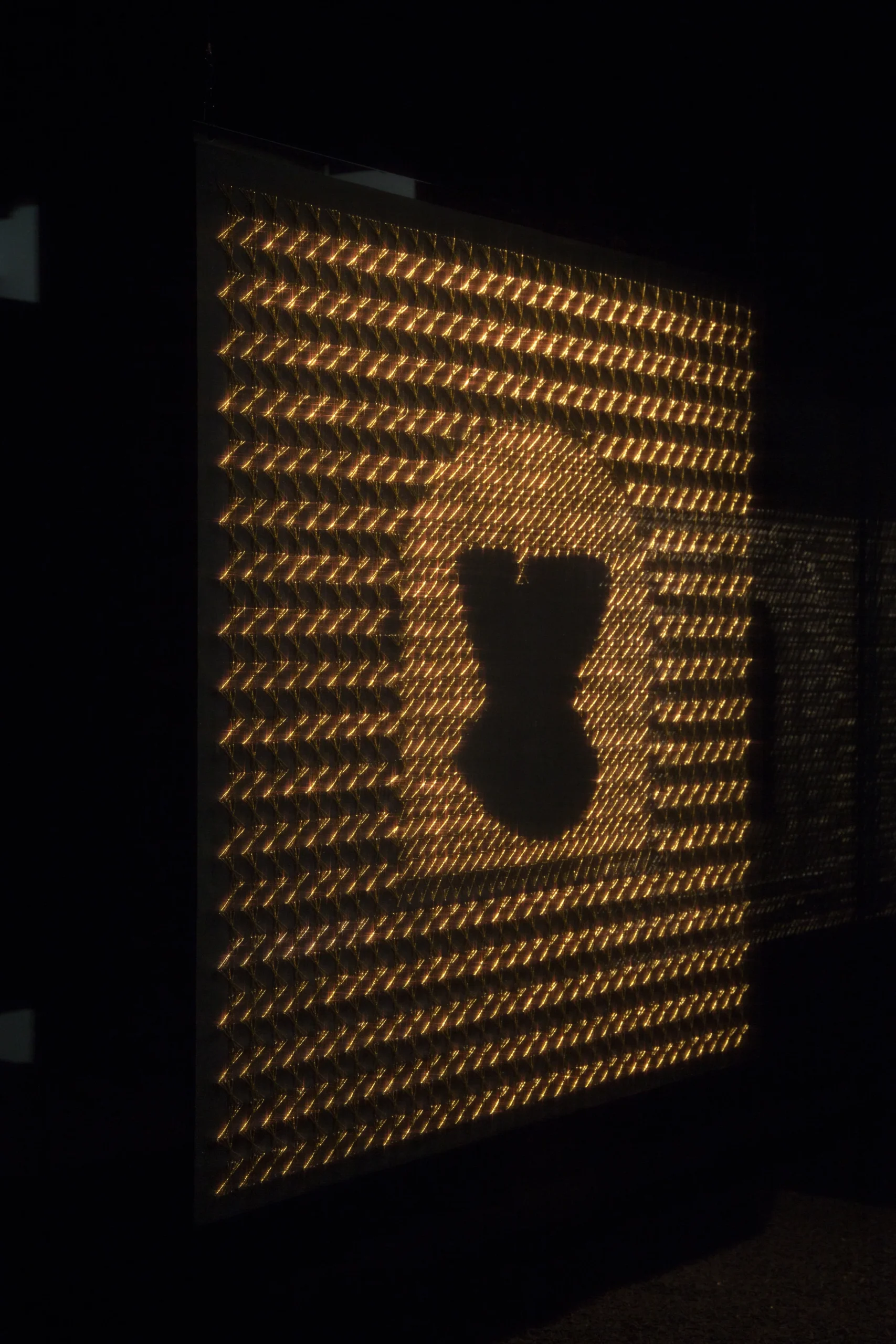
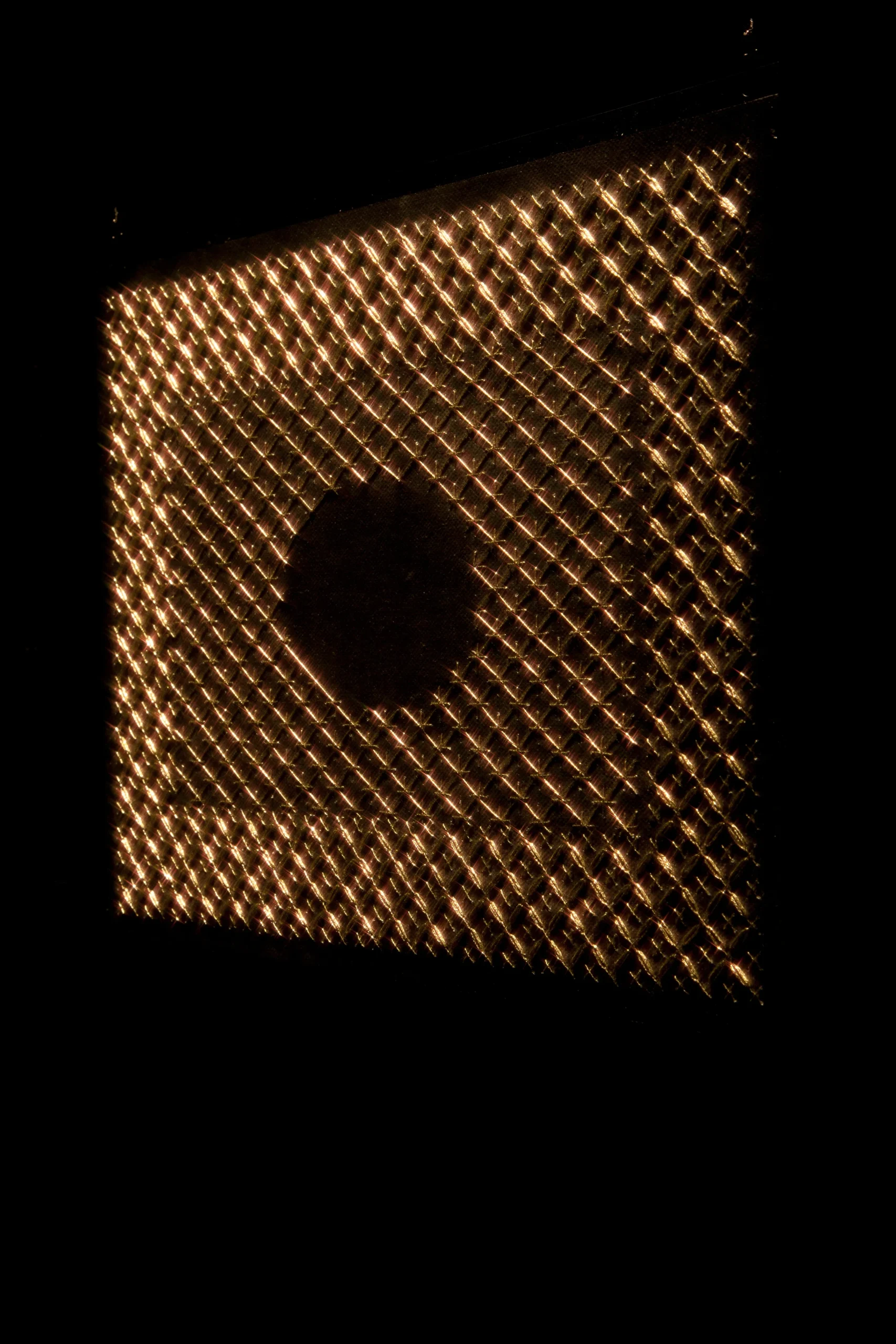
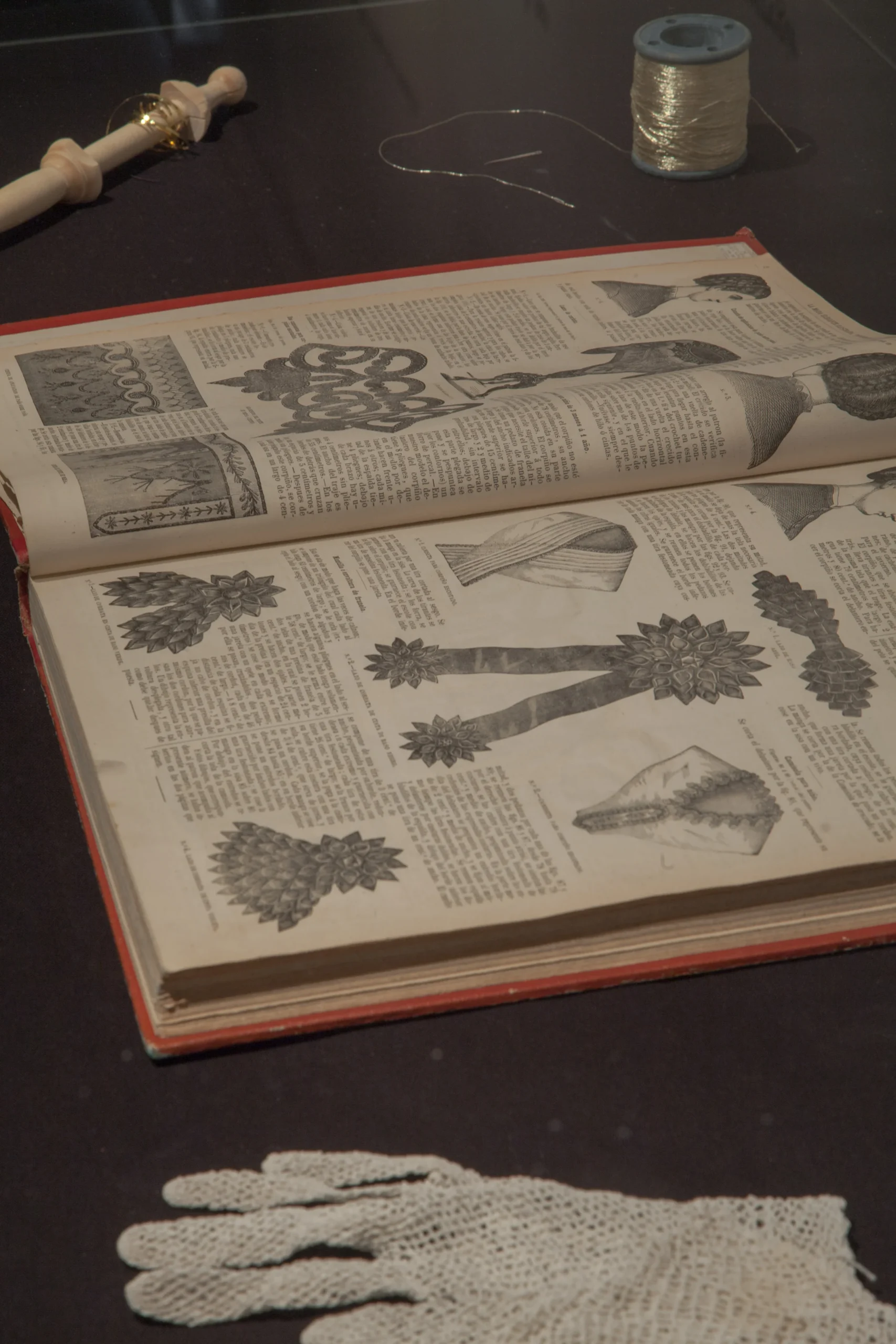
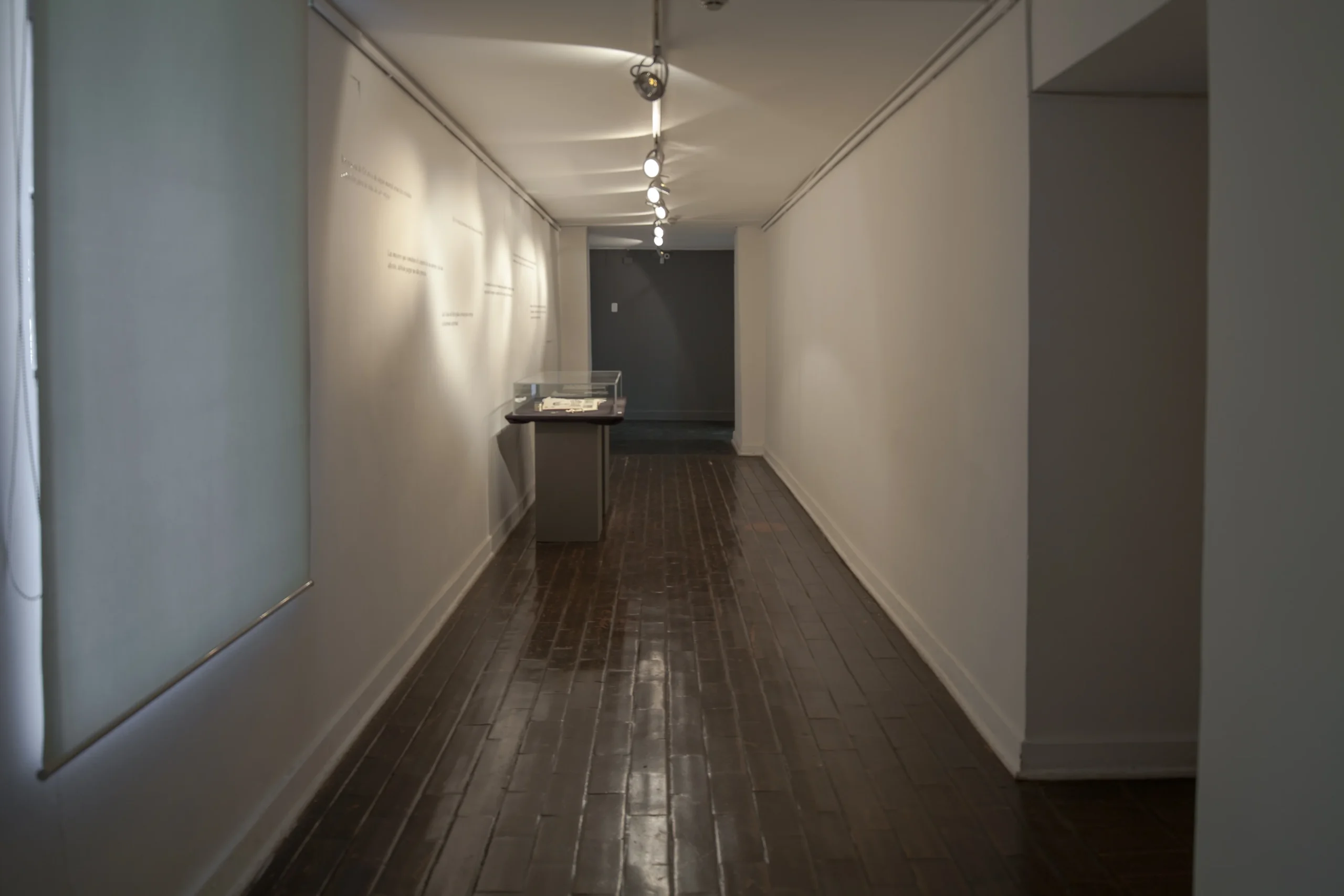
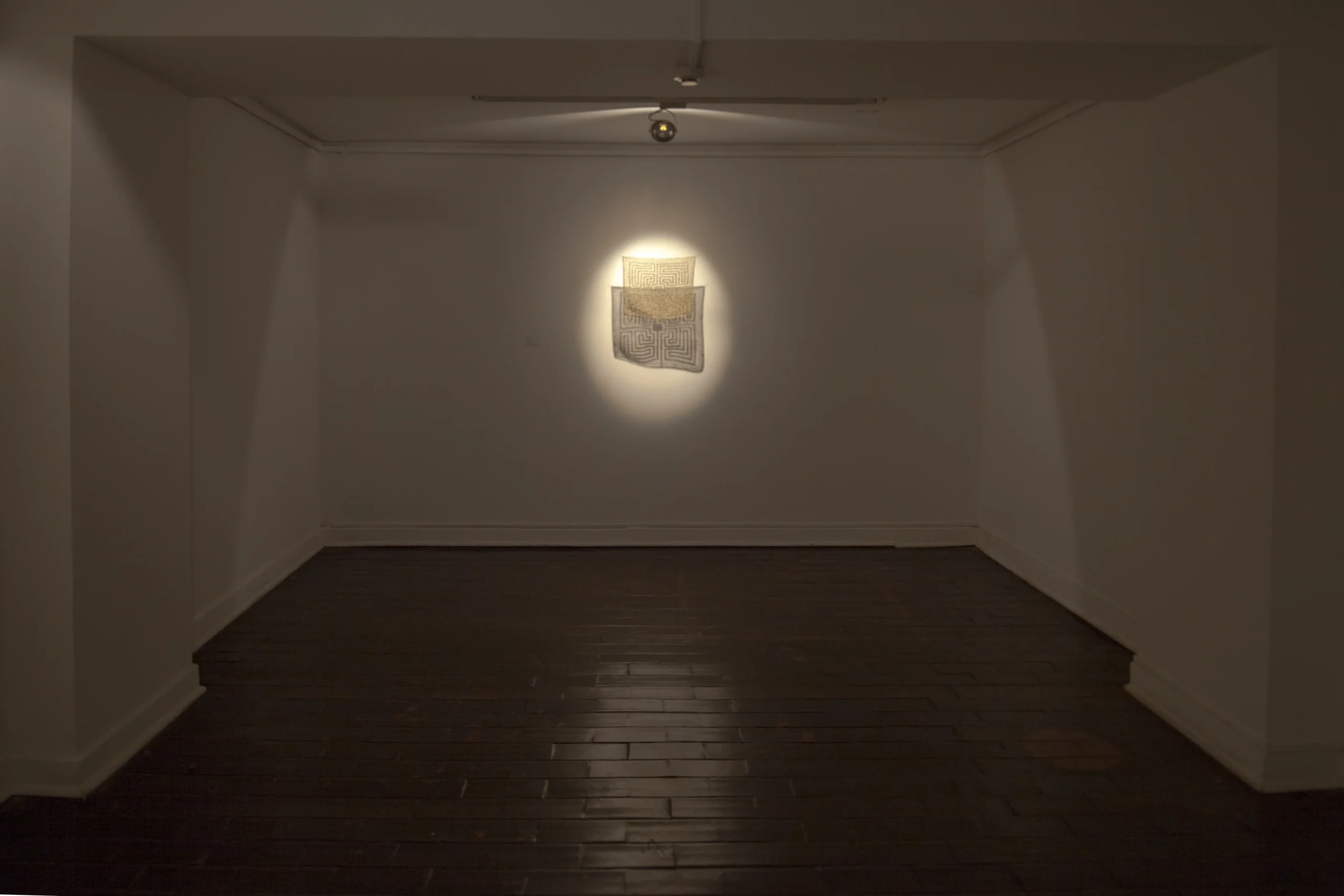
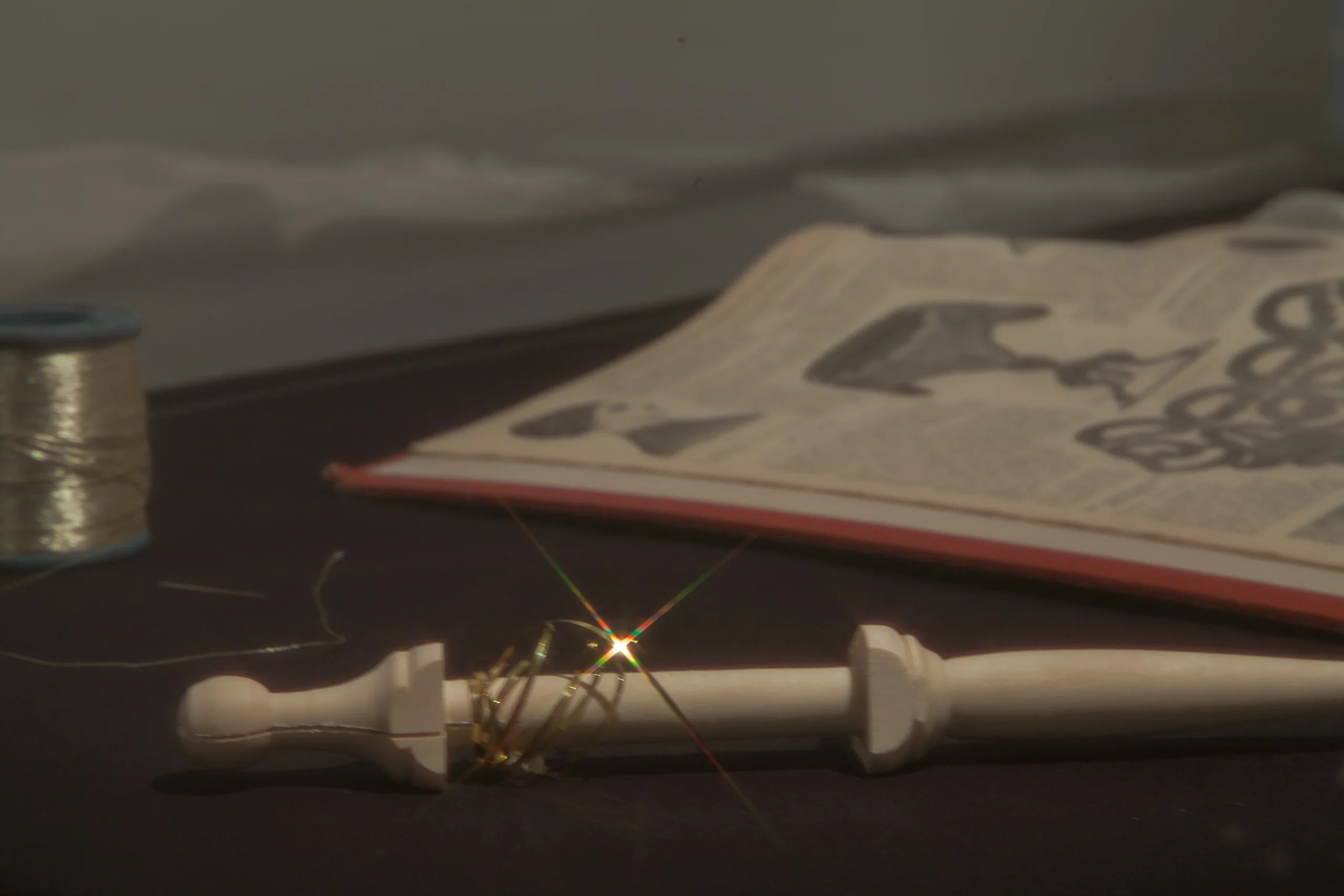
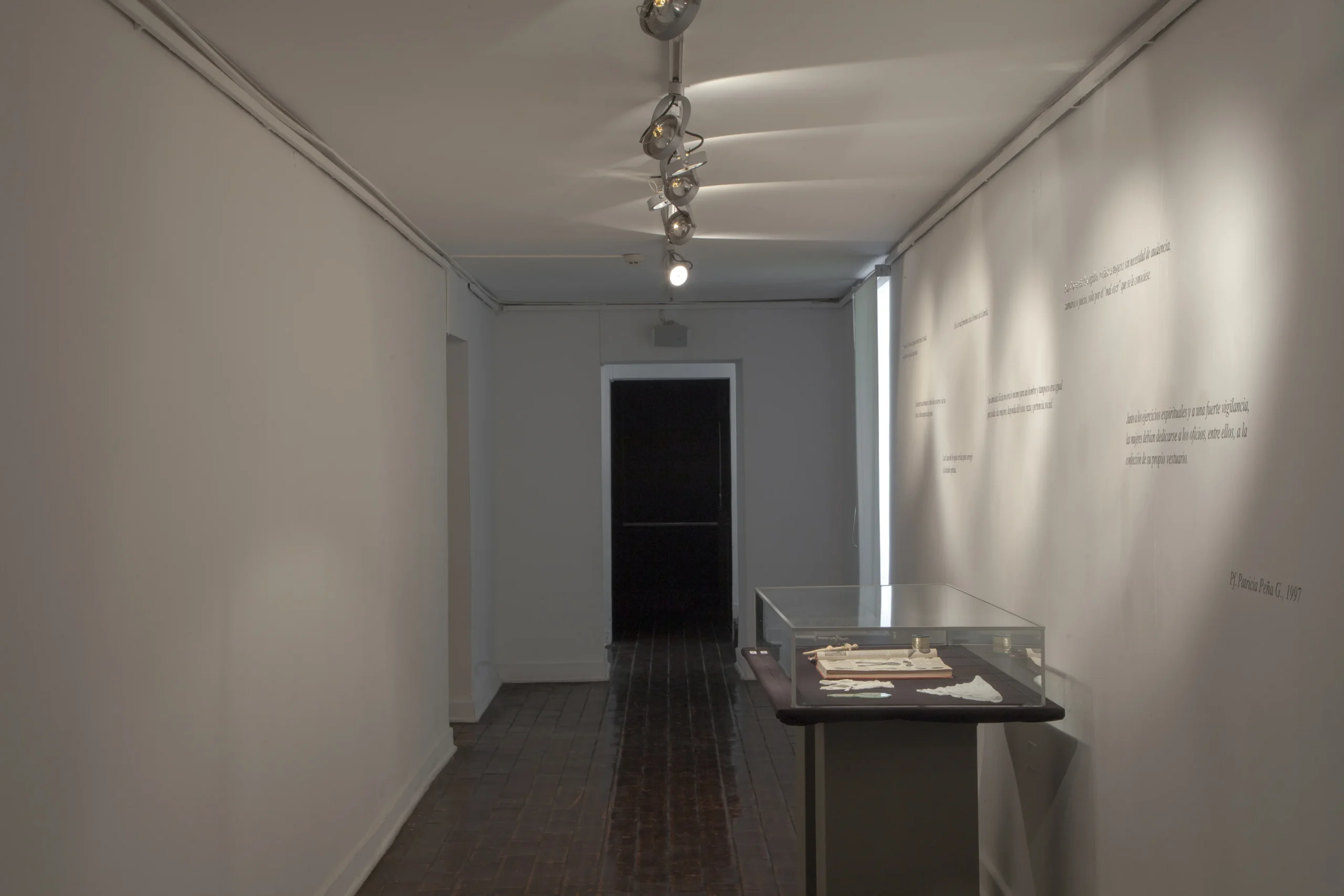
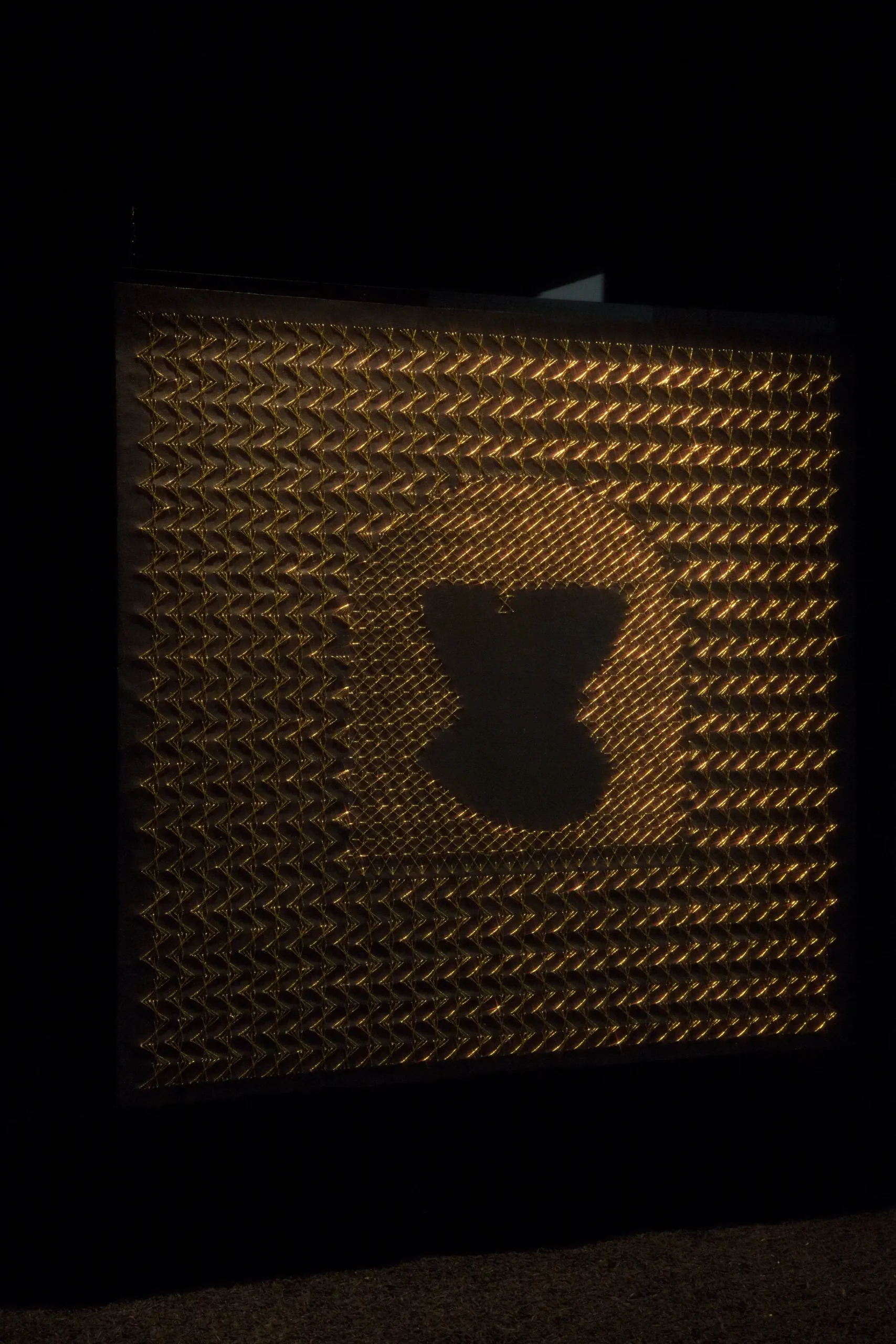
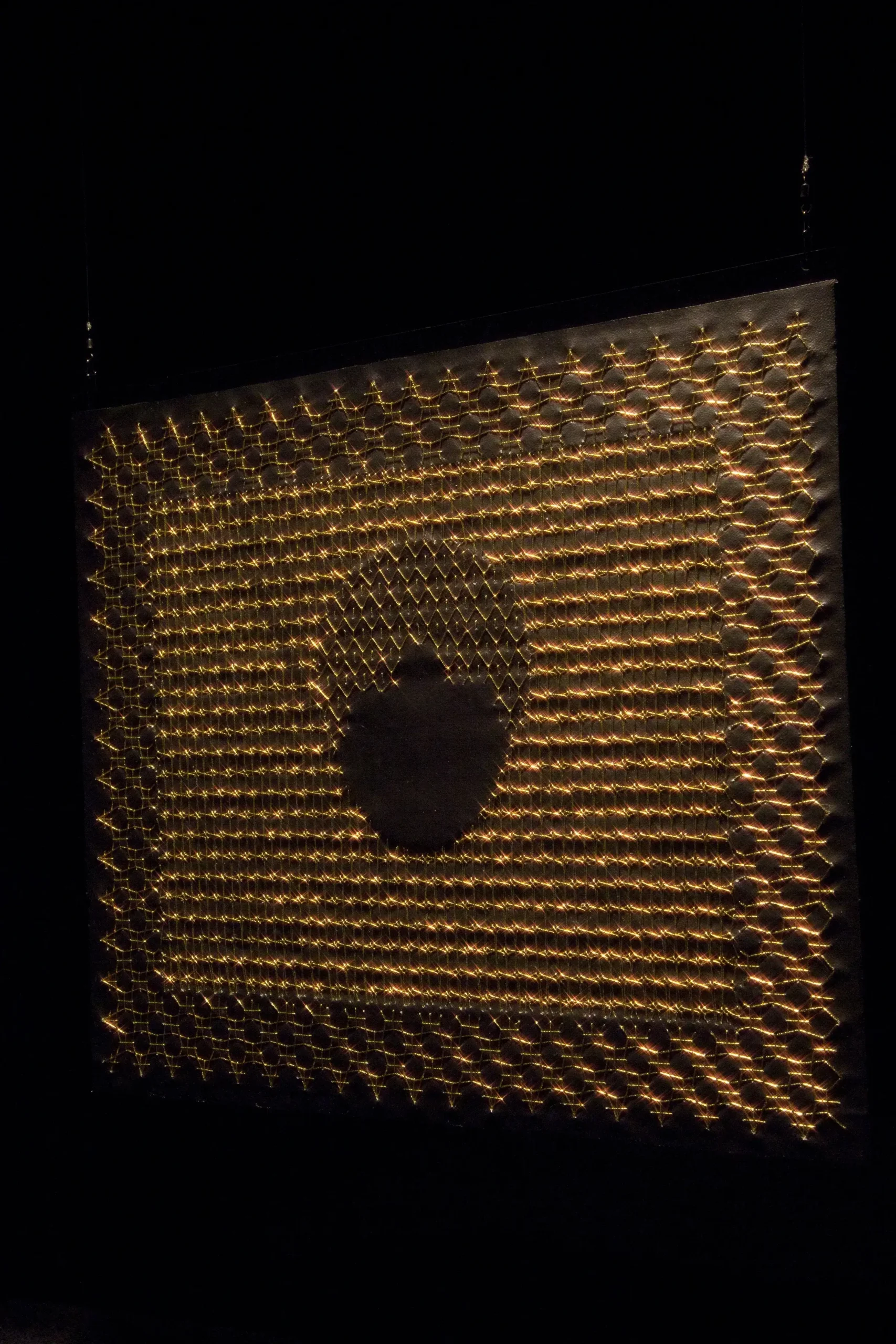
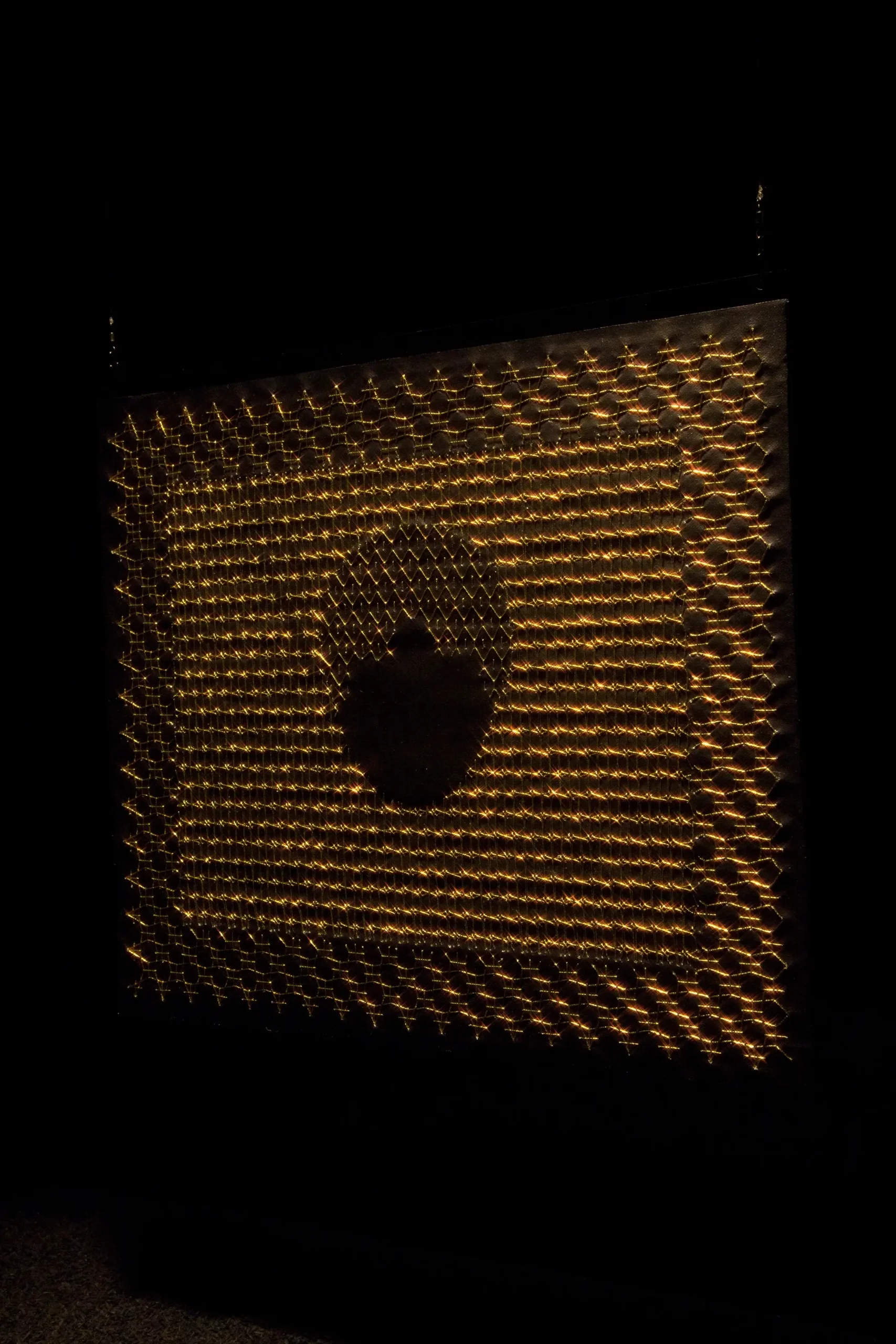
How can one draw the negative: the silhouette, the shape, the object or the body relegated to the hidden? That figure which seems to disappear behind the decorative, becoming absent precisely through its outline.
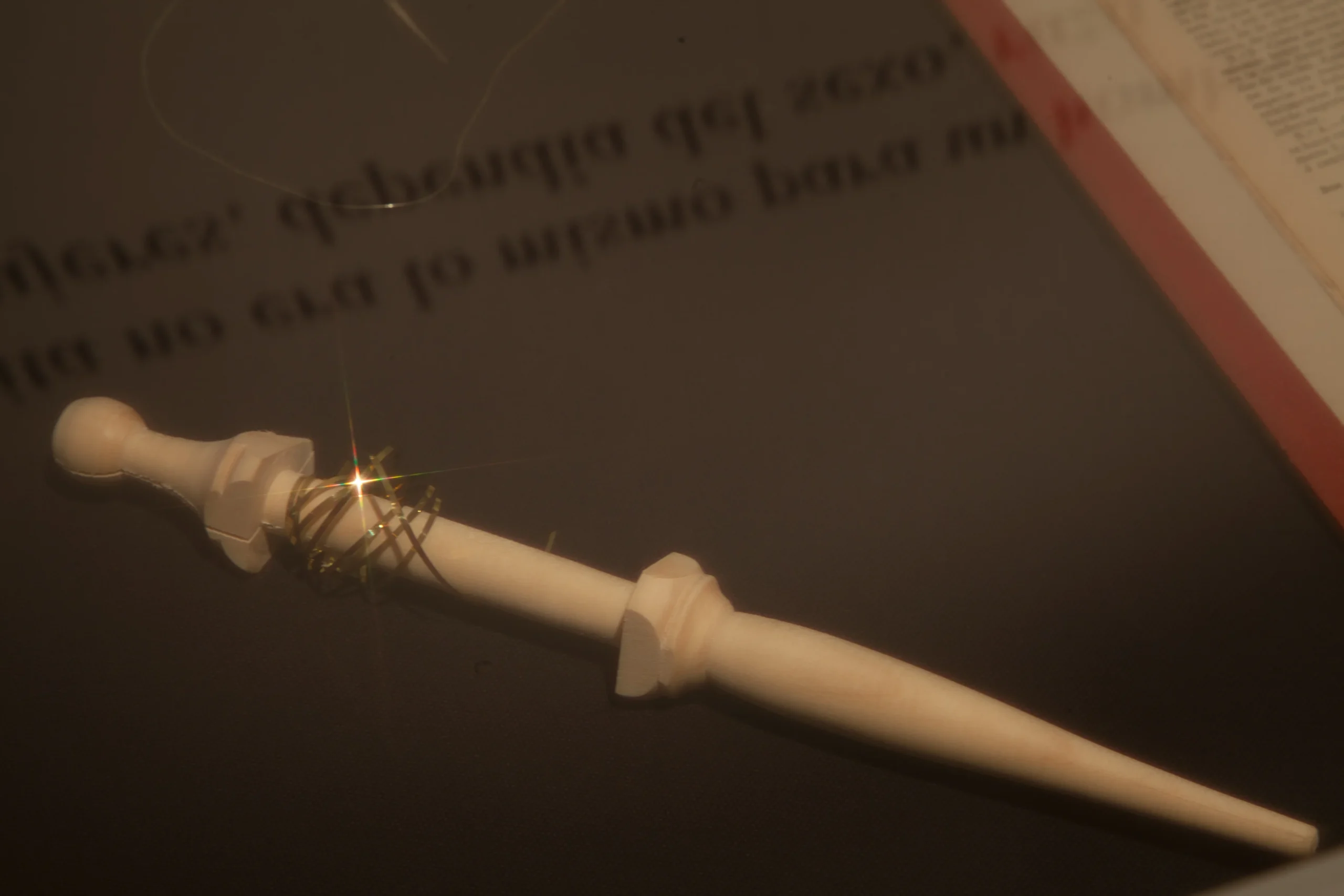
Aurora Anita develops an investigation around embroidery techniques, through which she identifies new patterns derived from the decorative elements that accompany various religious icons. Within them, the silhouette becomes immersed in abstract forms that intensify the represented image. In this way, she works with the negative through different stitches and threads, bringing to life a crucial—yet often invisible—dimension in the history of Latin American women.
At the same time that these decorative forms were produced and circulated across the continent—intended to spread the word of God and exemplify, through the lives of saints, models of behavior—women were subjected to various forms of discipline. The regulation of bodies, in order to sustain the caste system and ensure “proper” Spanish lineage, turned the female body into “the point of entry and exit of the orders that structure colonial society” (Araya, 2008, p. 33). In this context, clothing and fashion operated as exemplary devices of “proper” social behavior.
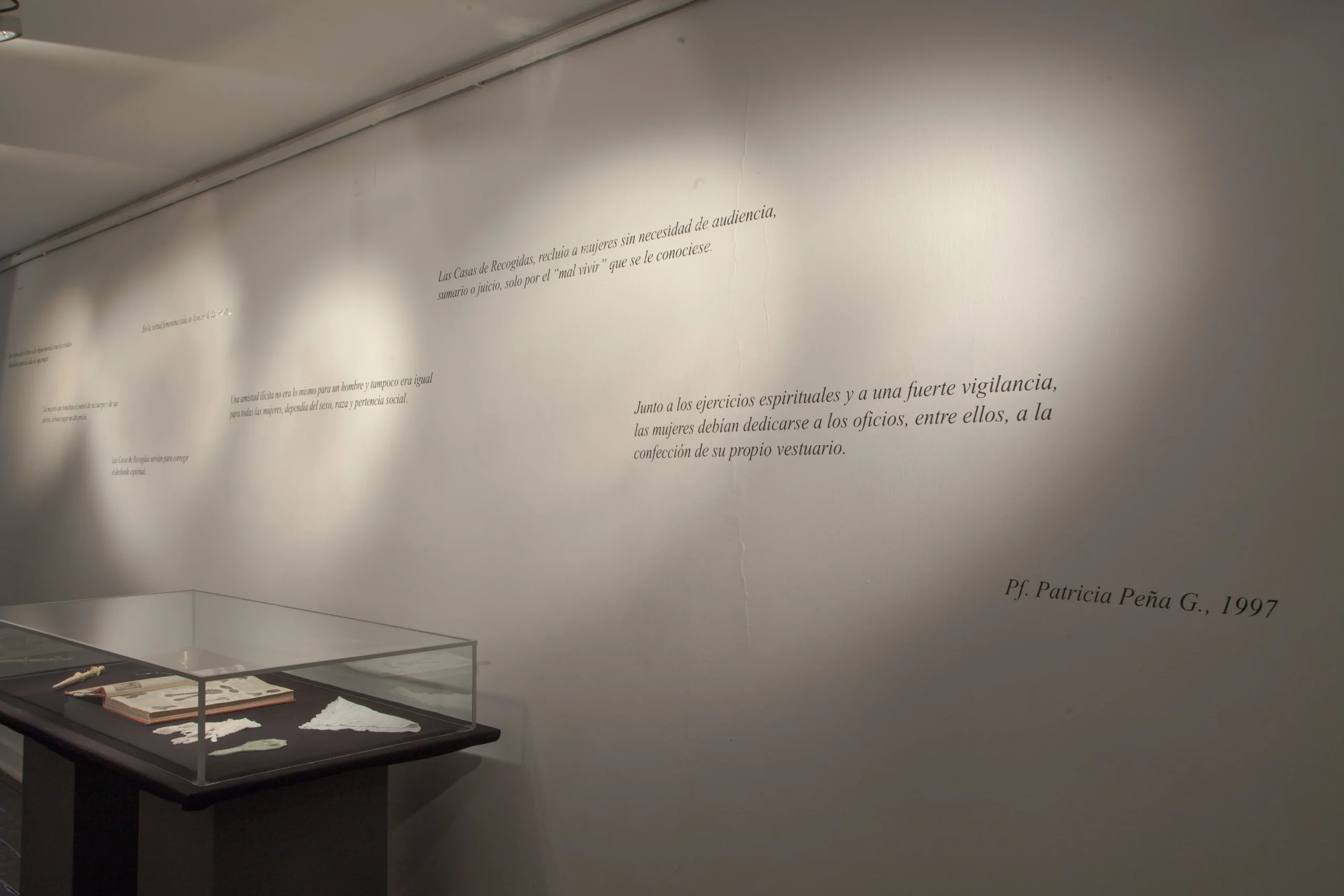
In Customs, Aurora Anita challenges both colonial discourse and reality through clothing as a normative phenomenon, while also incorporating testimonies from women confined in Casas de Recogidas. The 19th-century newspaper La Moda Elegante makes this disciplining explicit through images of “proper” dress and texts such as:
“all the virtues of a woman (and courage is, in her, a virtue) shine—and must shine only faintly—and develop and are displayed within the solitary walls of the domestic home.”
In contrast to these ideals, testimonies from the Casas de Recogidas emerge—institutions of colonial Chile, active between the 16th and 19th centuries, created by the Catholic Church and the Spanish Crown as spaces of punishment and correction—intended to “confine and ‘redirect’ those women who broke the moral and cultural boundaries under which they were expected to live within their communities” (Onetto, 2009, p. 160).
The figures presented in Customs reflect this reality, concealed by official history, the press, and family traditions. Through the negative of images from La Moda Elegante—a symbol of what is considered “proper”—that which these same images conceal is revealed: the imprisonment of those who deviated from social norms, whose voices re-emerge in the testimonies accompanying the exhibition
¿De qué manera se puede dibujar el negativo, la silueta, la forma, el objeto o el cuerpo que queda relegado a lo oculto, que pareciera desaparecer tras el decorado, la figura que se hace ausente a través de la silueta?
Aurora Anita realiza una investigación sobre la técnica del bordado mediante la que identifica nuevos patrones derivados de los decorados que acompañan a diversos íconos religiosos, en ellos, la silueta queda inmersa en diversas figuras abstractas que dan fuerza a la imagen, generalmente retratada. Así, logra trabajar el negativo con diversos puntos e hilos que dan vida a una parte crucial de la historia de la mujer latinoamericana.
En la misma época que se realizaban estos decorados de forma generalizada por el continente, con la intención de difundir la palabra de Dios y de ejemplificar a través de la vida de los santos, las mujeres sufrían diversas vejaciones producto de su comportamiento. El disciplinamiento de los cuerpos para regular la sociedad de castas y la “correcta” descendencia de los españoles implicó que el cuerpo de la mujer fuera “la puerta de entrada y de salida de los órdenes que estructuran la sociedad colonial” (Araya, 2008, p. 33), de esta forma el vestuario y la moda eran formas ejemplarizantes del “buen” comportamiento social.
En “Costumbres”, Aurora Anita pone en jaque el discurso y la realidad colonial a través del vestuario como fenómeno ejemplificador, y del testimonio de mujeres de la época que fueron recluidas en Casas de Recogidas. Así, el periódico del s. XIX, “La Moda Elegante”, hace explícito el disciplinamiento, con imágenes sobre la “correcta” vestimenta y con textos como:
“todas las virtudes de la muger (y el valor es en ella una virtud) brillan y deben brillar poco, y se desarrollan y lucen entre las paredes solitarias del hogar doméstico”
En contraposición a estos “ideales”, se tomaron testimonios de las Casas de Recogidas, institución del Chile colonial que funcionó entre los s. XVI y XIX, creadas por la Iglesia Católica y la corona española como instituciones de castigo y corregimiento, con la intención de “encerrar y ‘encauzar’ a aquellas mujeres que rompieran con aquellos límites morales y culturales bajo los que ‘debían vivir’ en sus comunidades” (Onetto, 2009, p. 160).
Las figuras que se encuentran expuestas en “Costumbres”, son un reflejo de esa realidad oculta por las historias, la prensa y las tradiciones familiares, a través del negativo de imágenes de “La Moda Elegante”, como reflejo de “lo correcto”, que a su vez esconde el aprisionamiento por el desvío de las costumbres, tal como se escucha y lee en los relatos de la exposición.
