
Exhibition: Lo Invisible 2018
Galeria Animal
Whatever exists in time, time must undo.
— From the original manuscript, discovered and annotated by Michael Green.
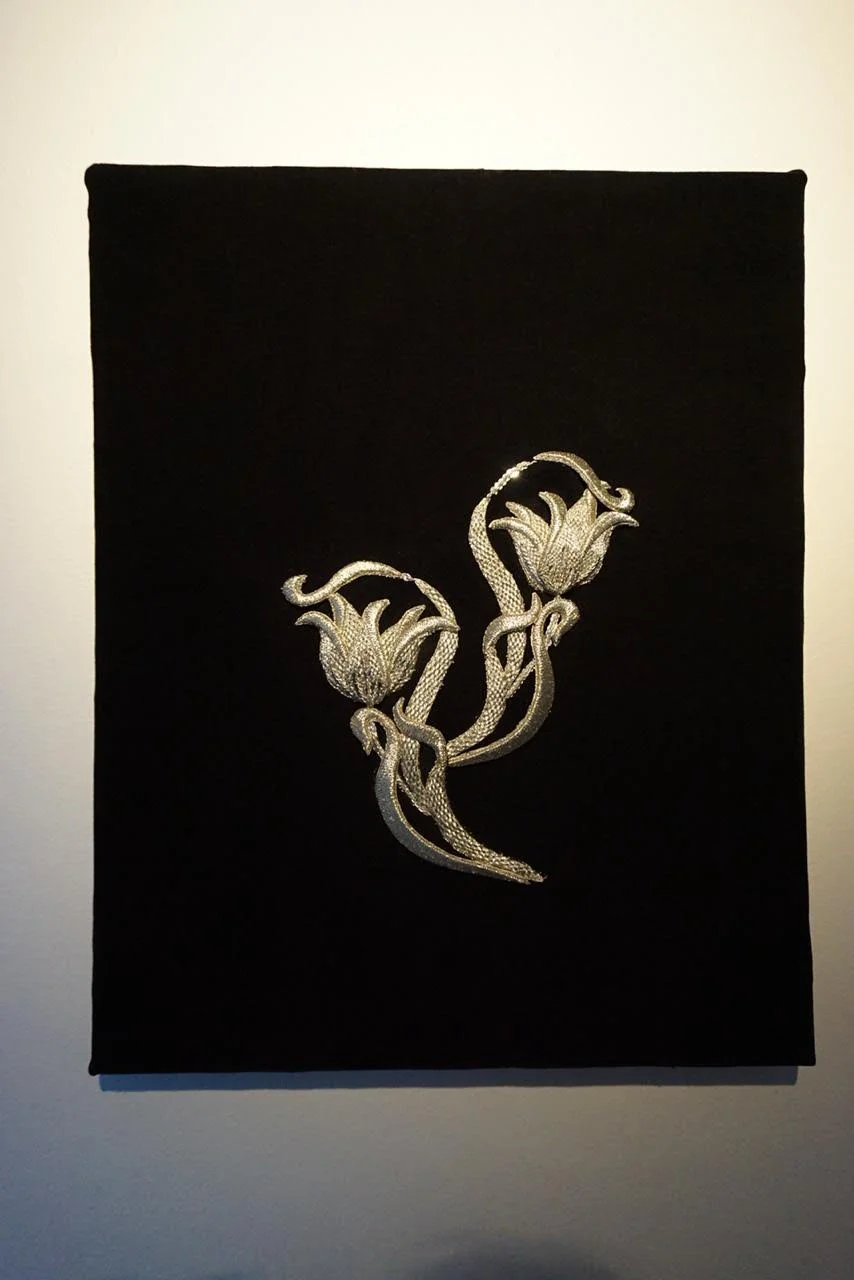
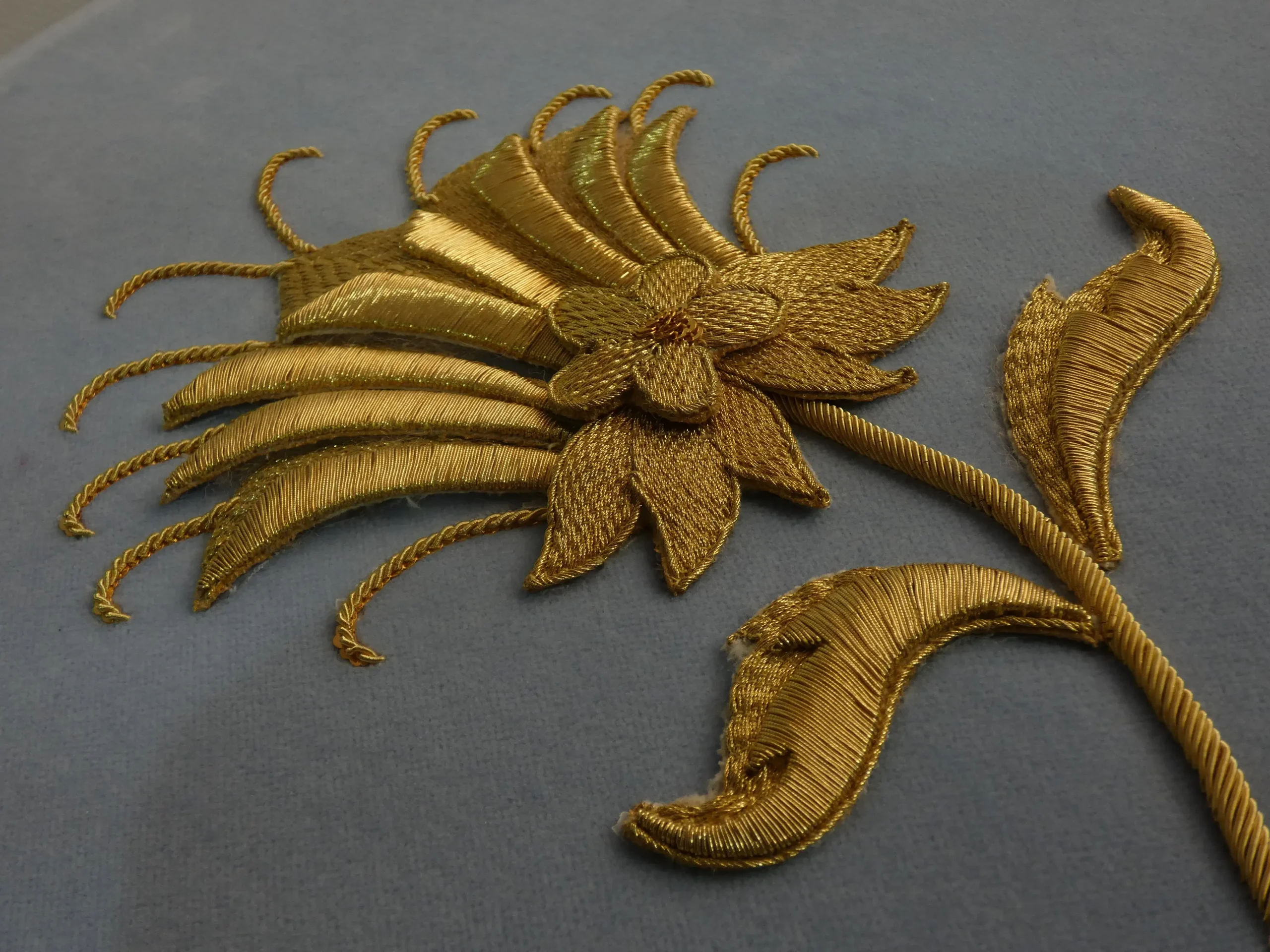
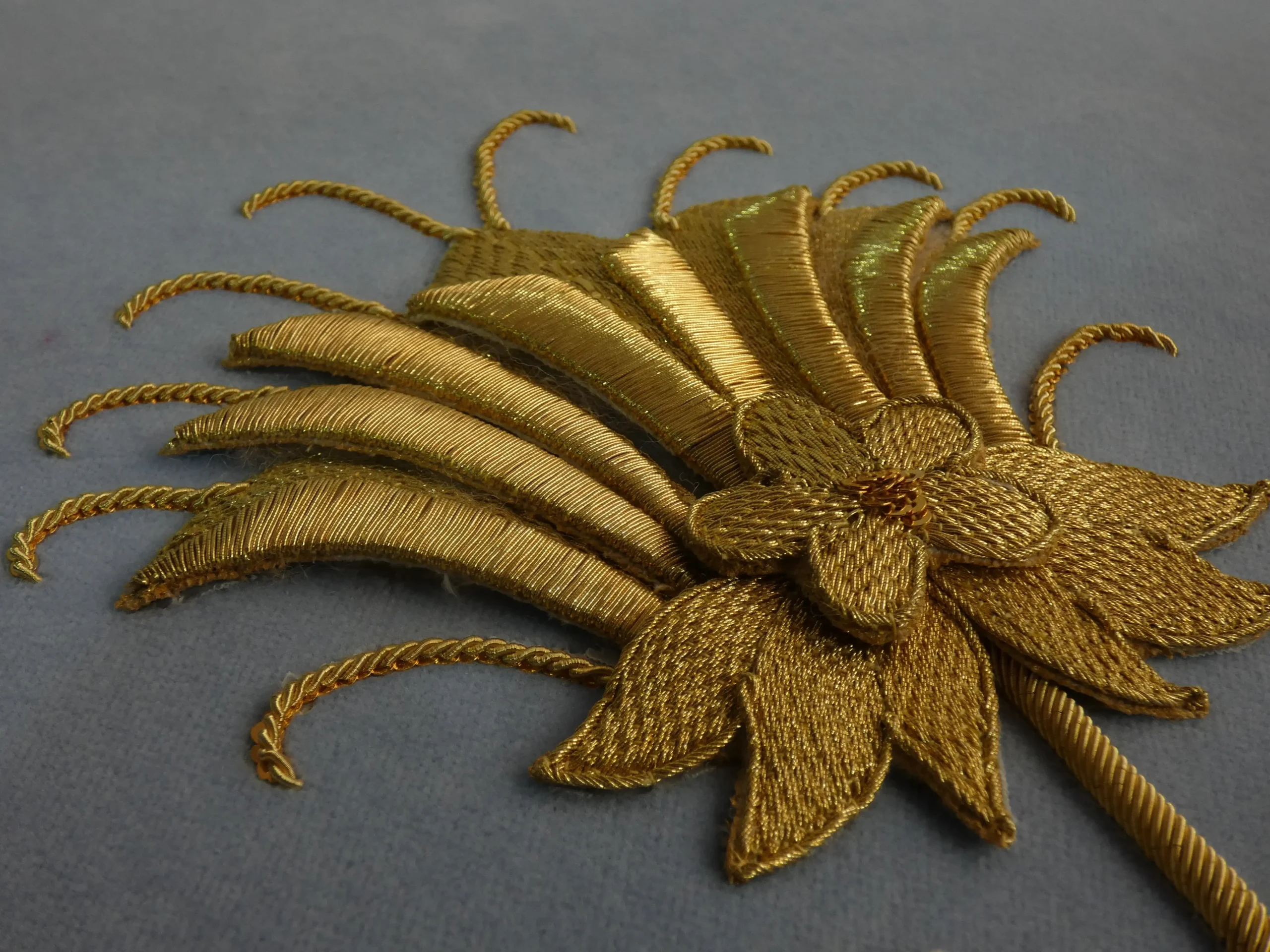
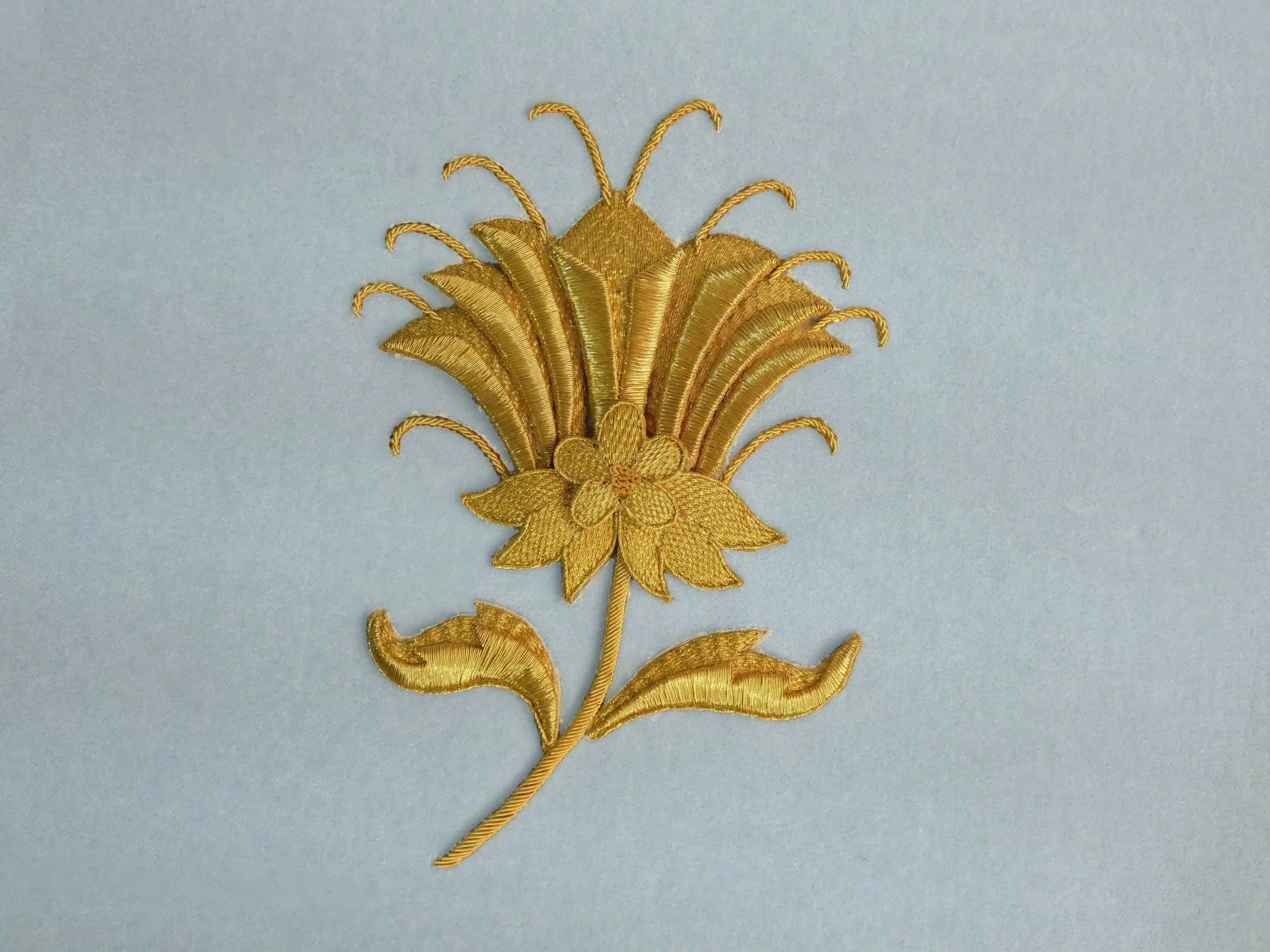
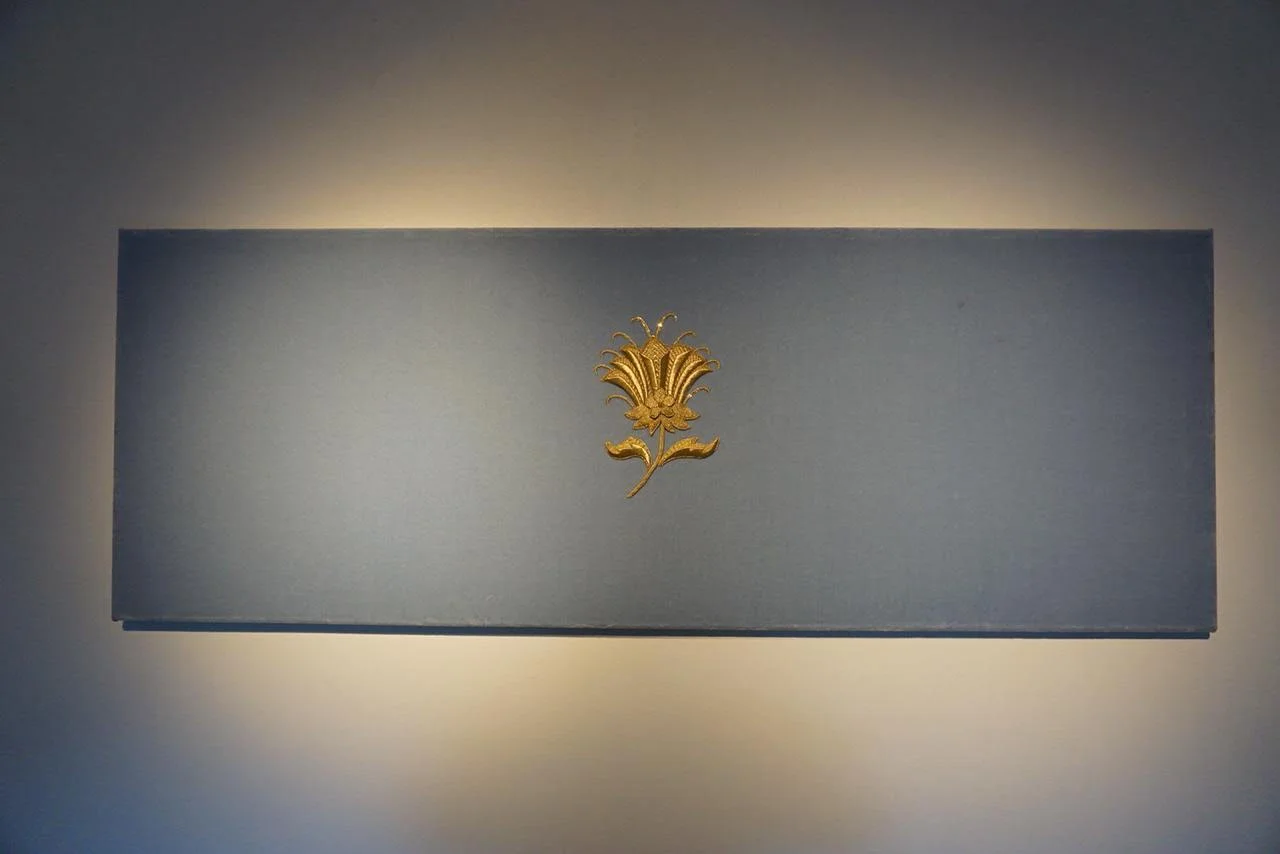
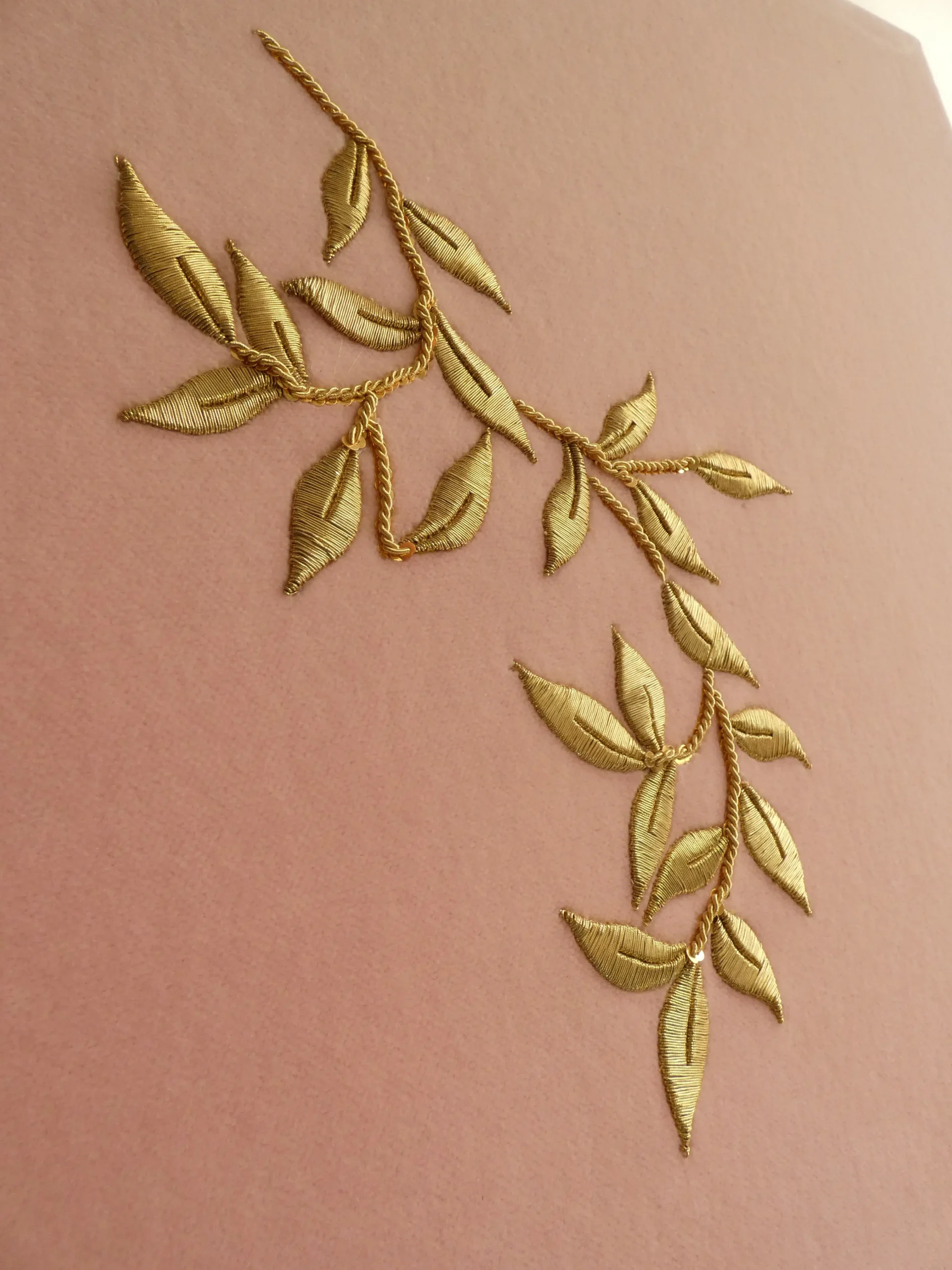
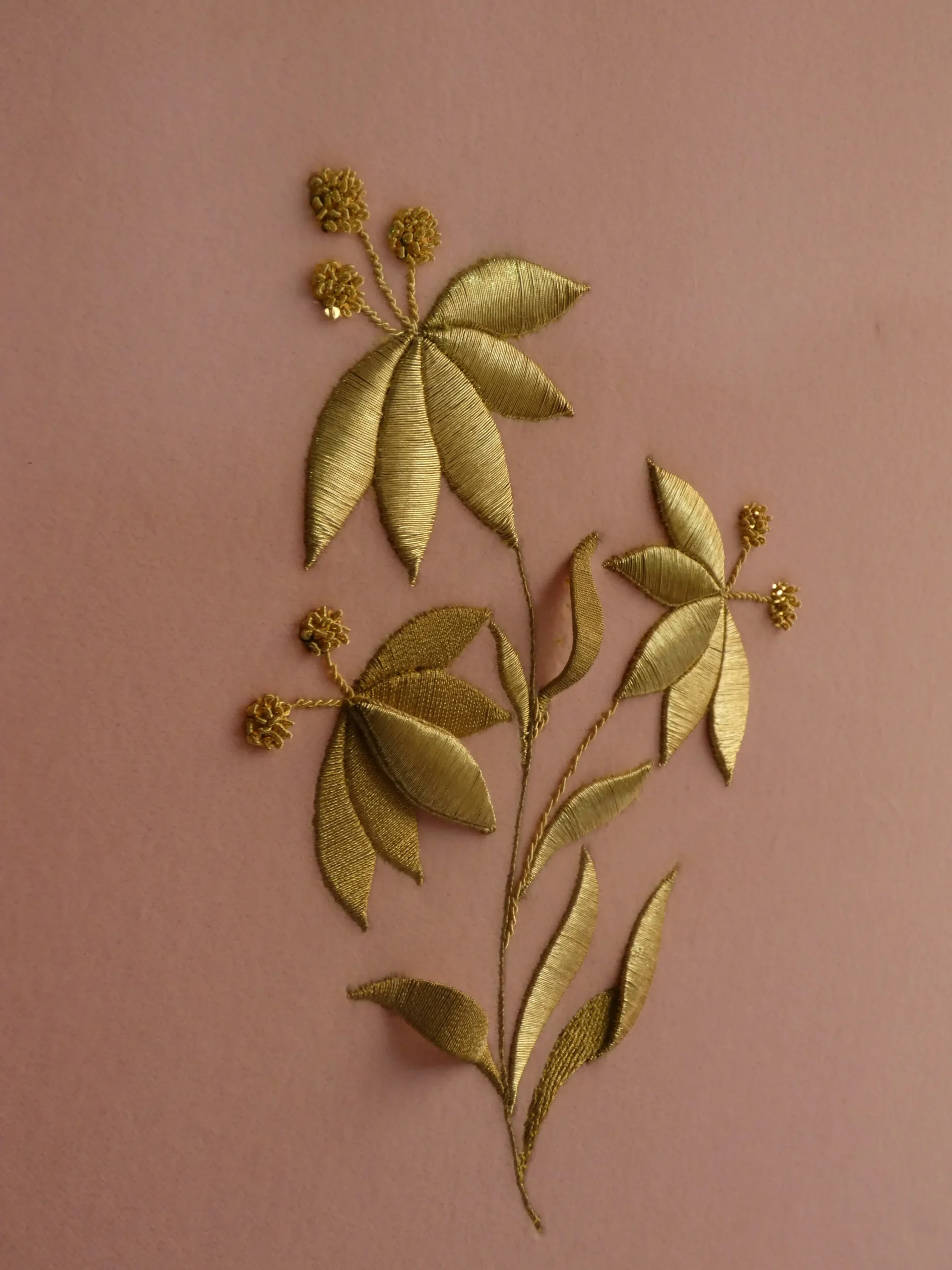
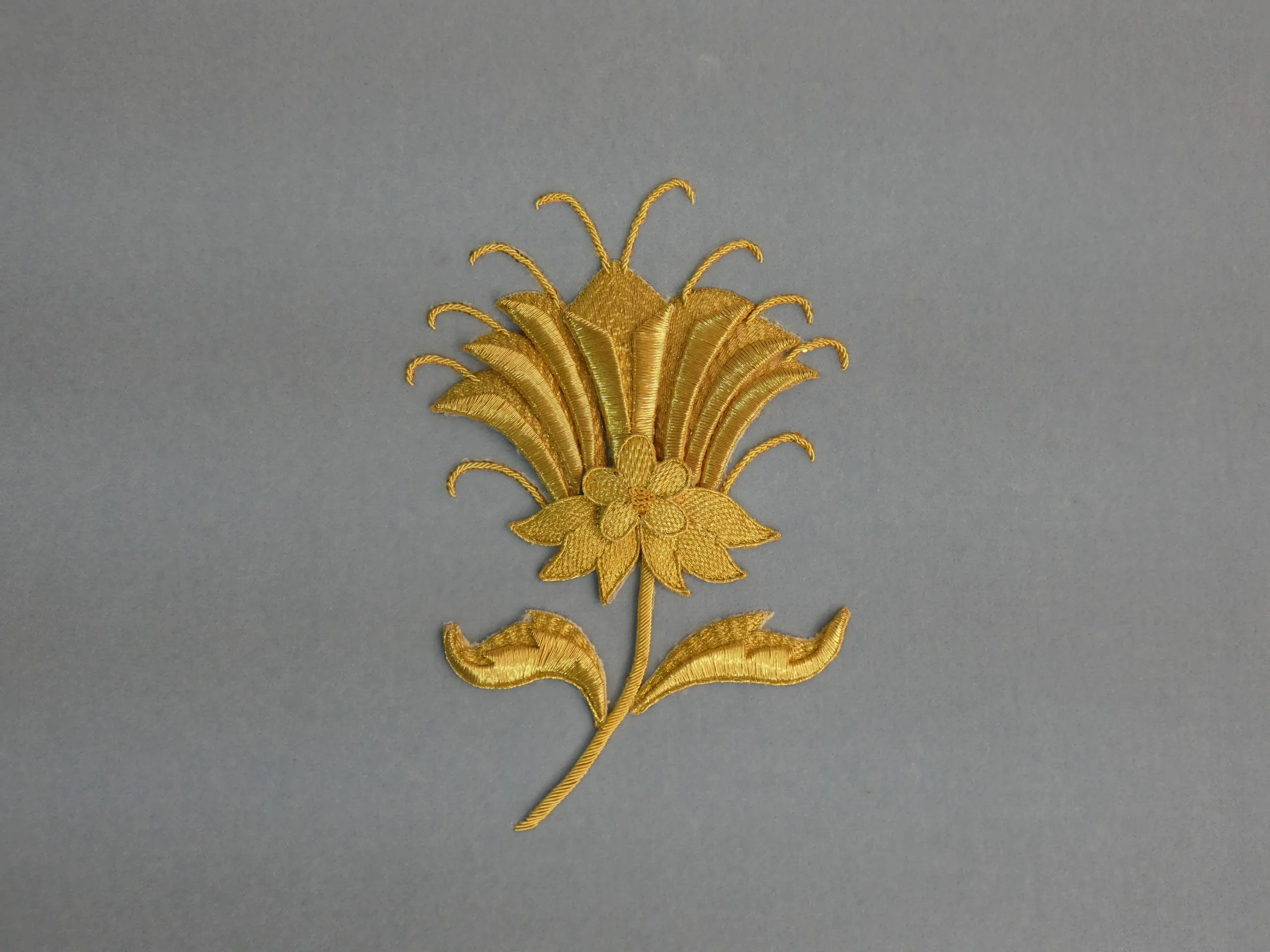
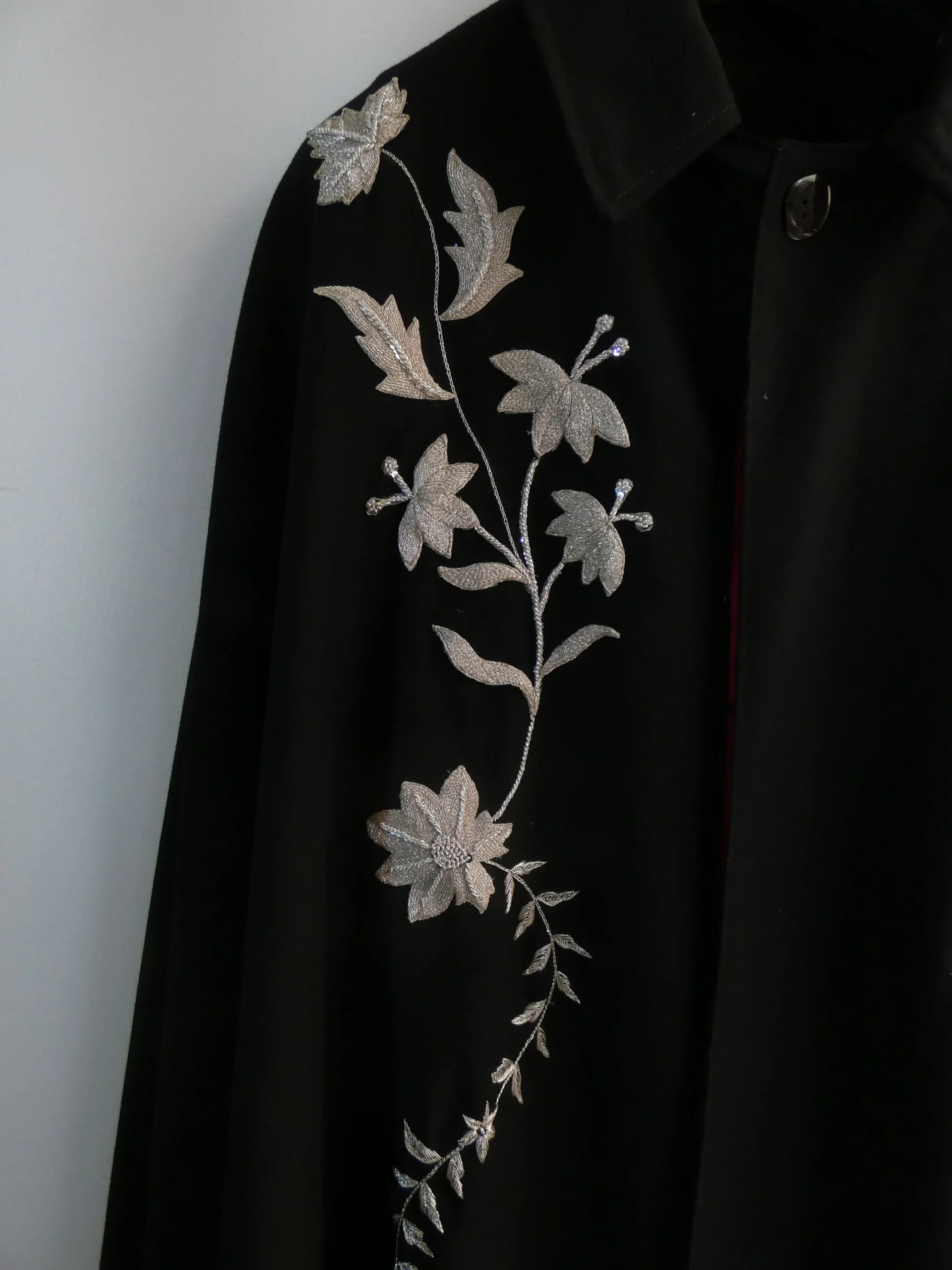
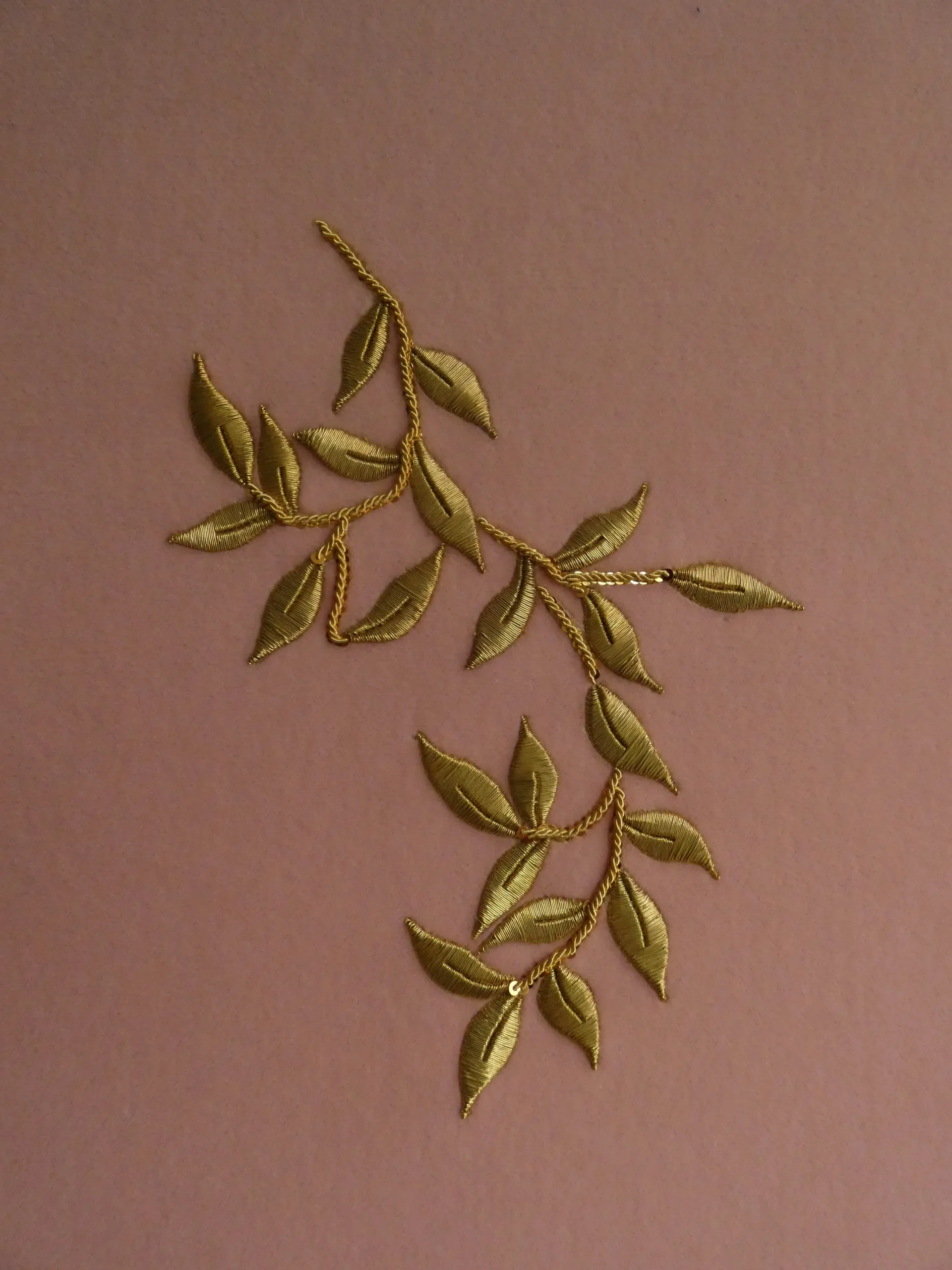
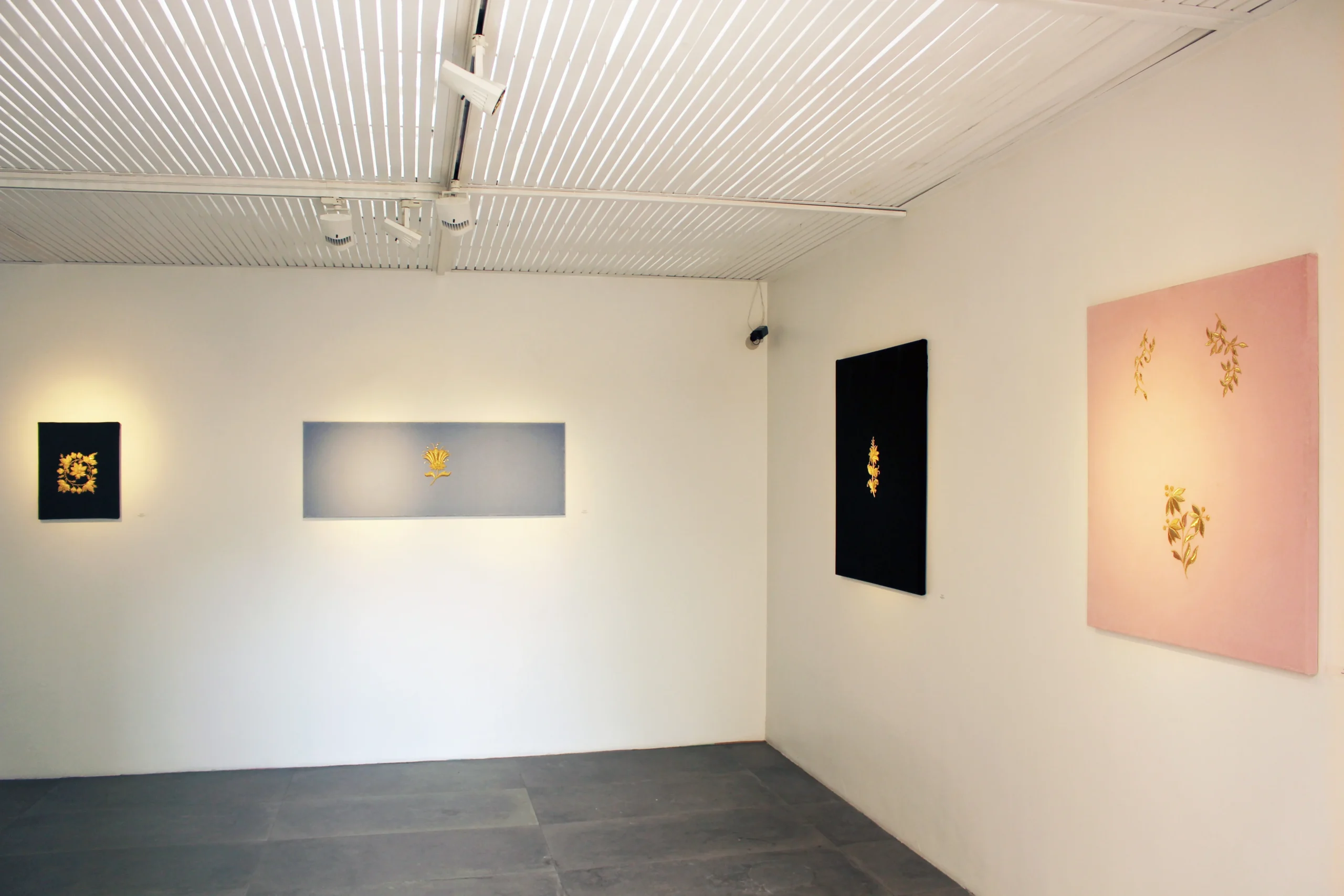
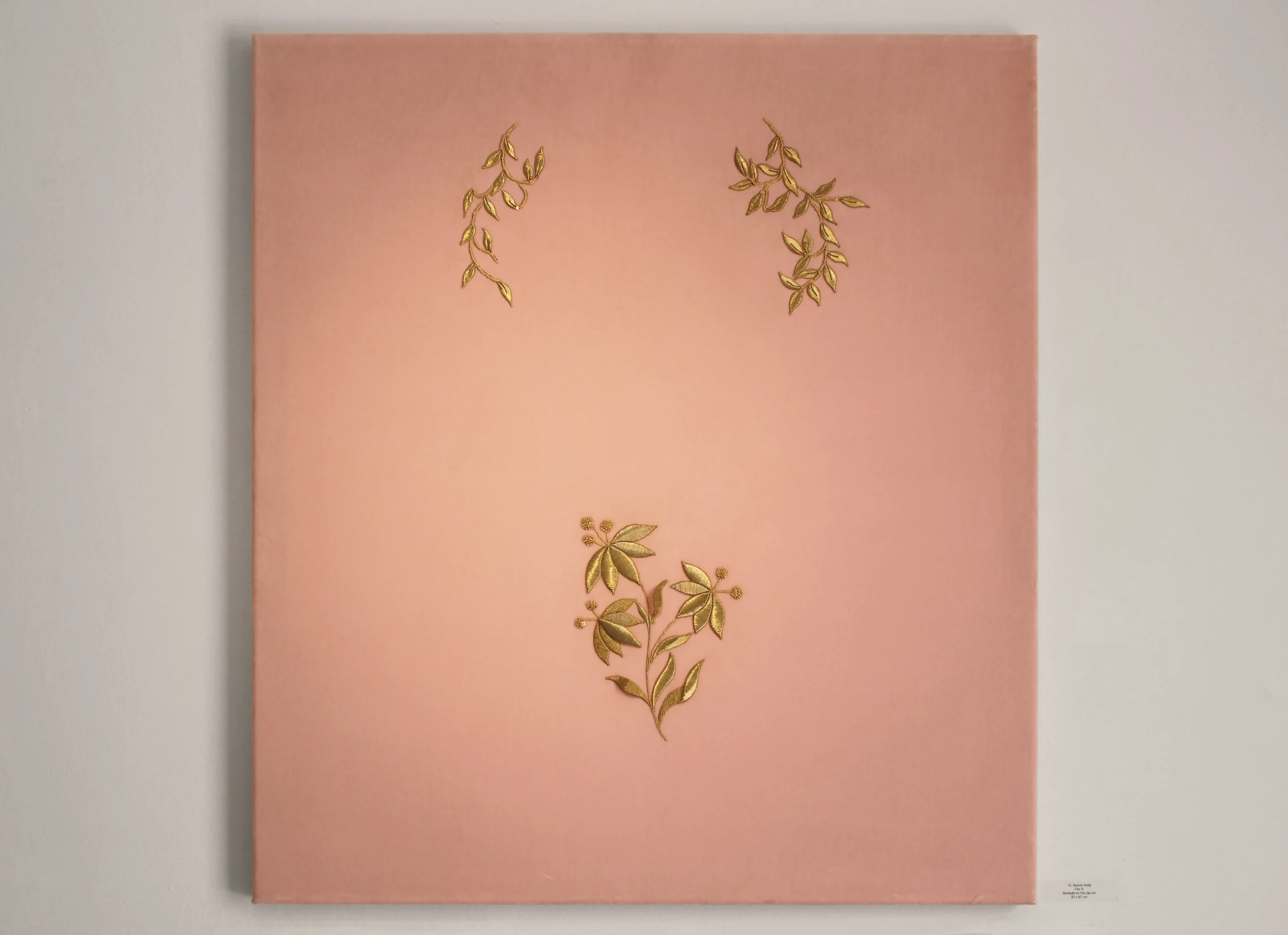
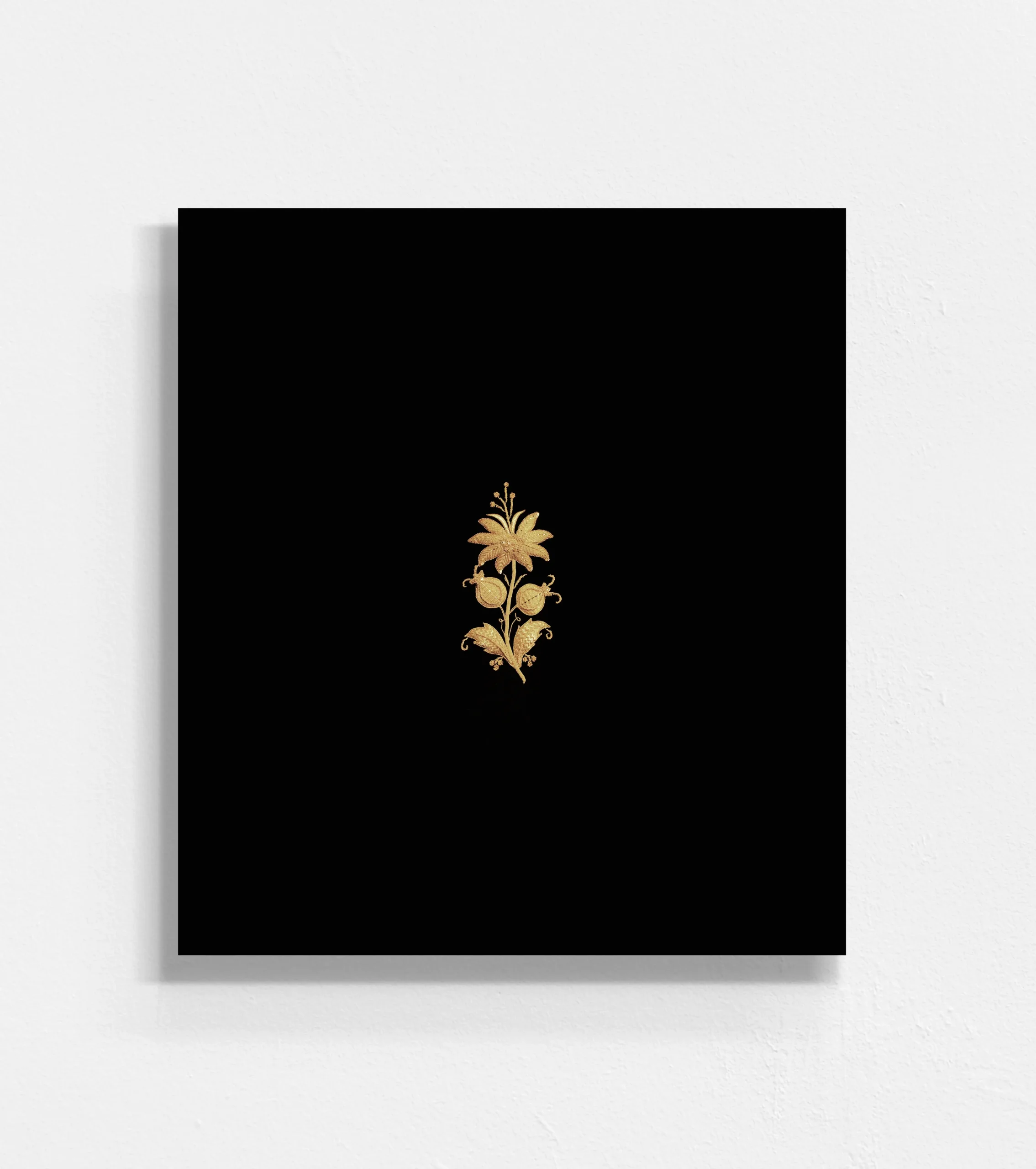
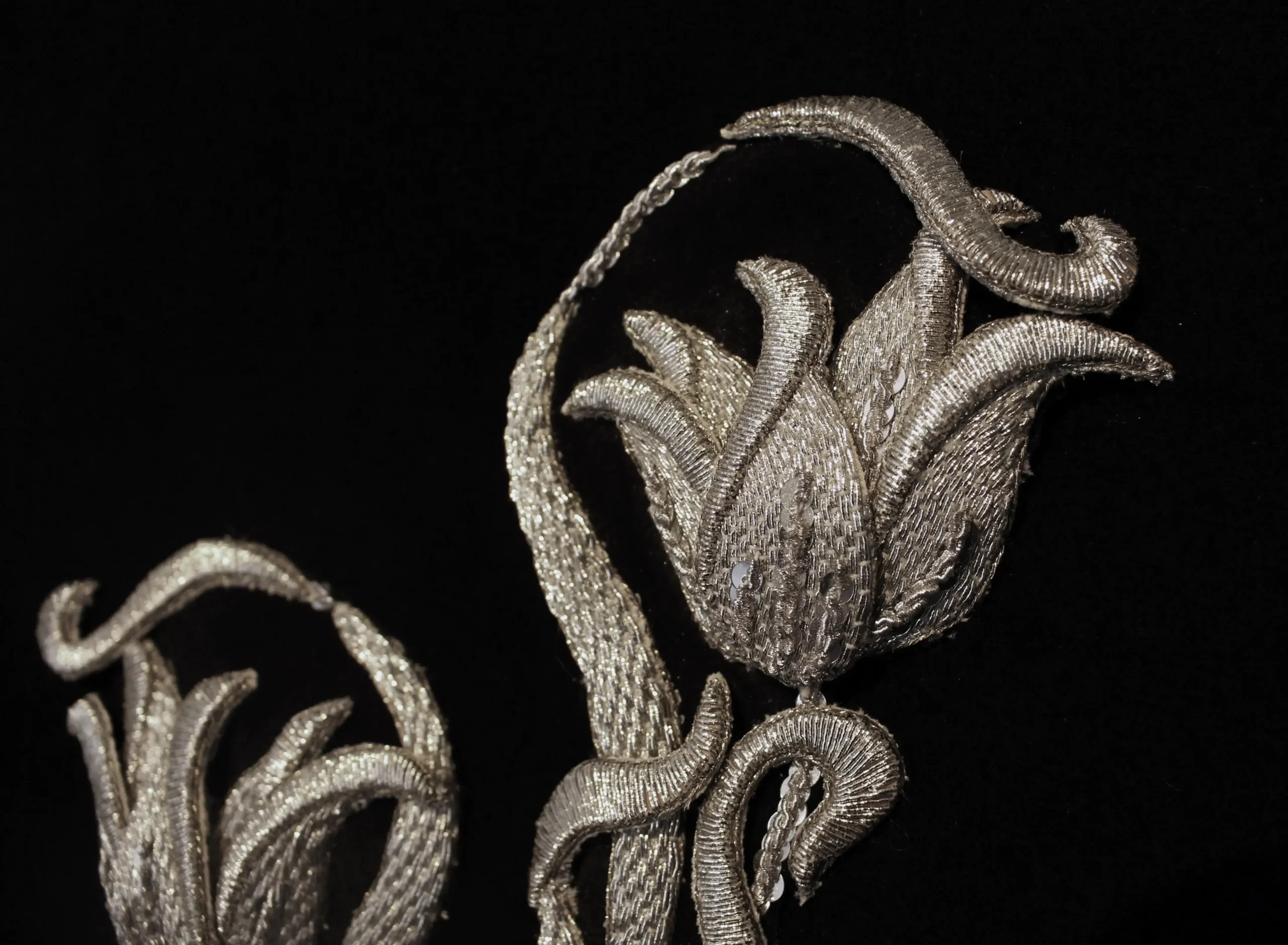
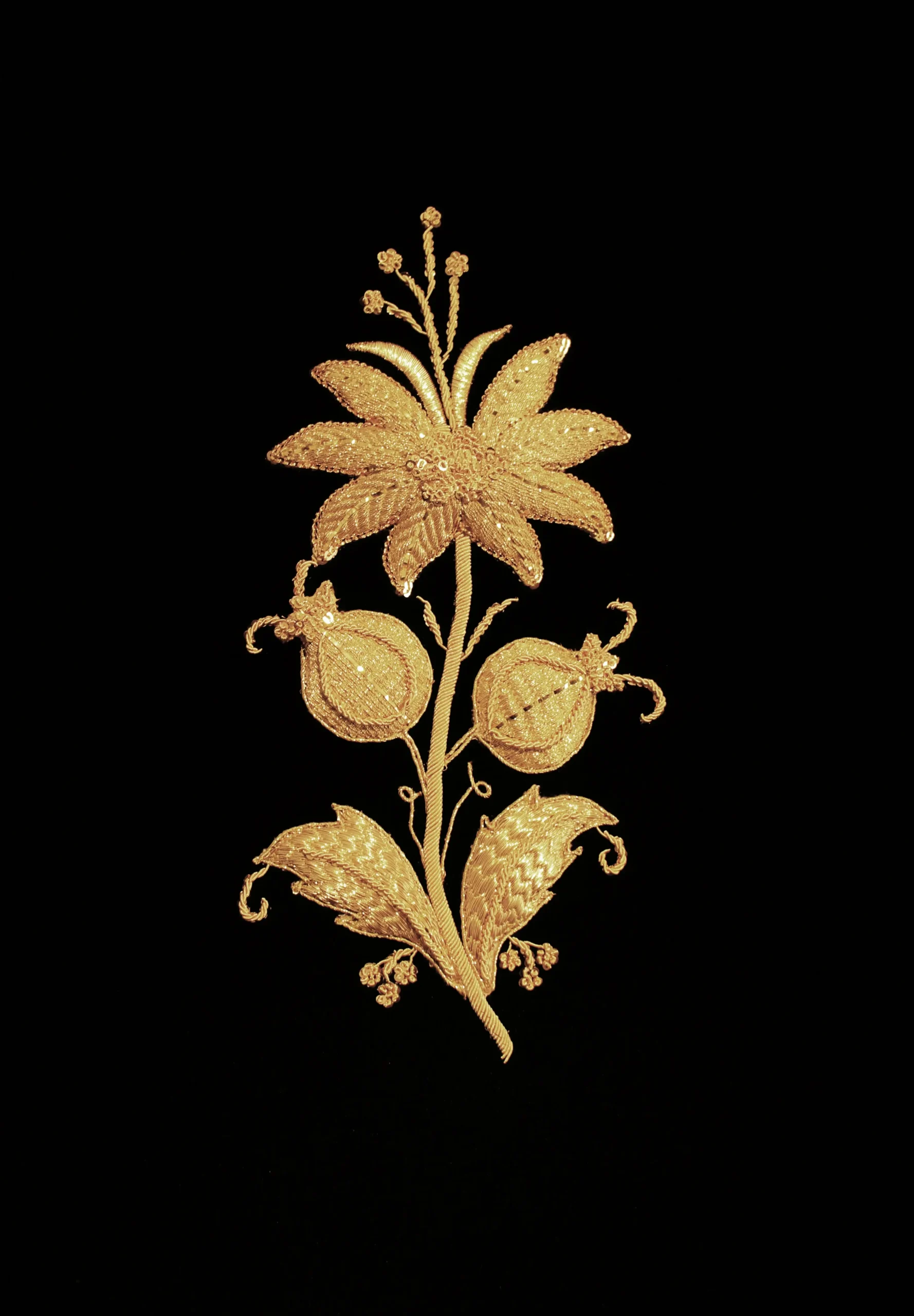
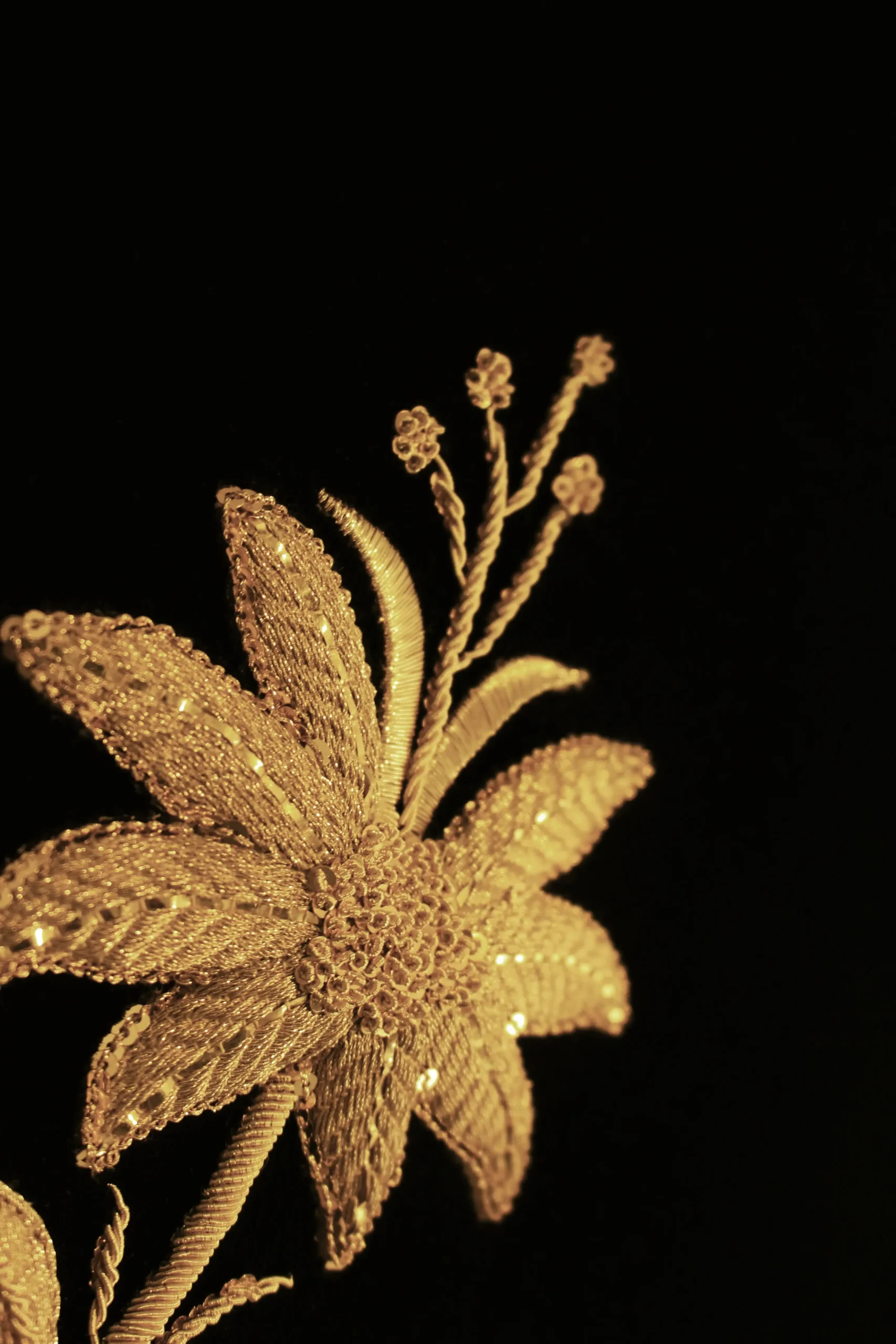
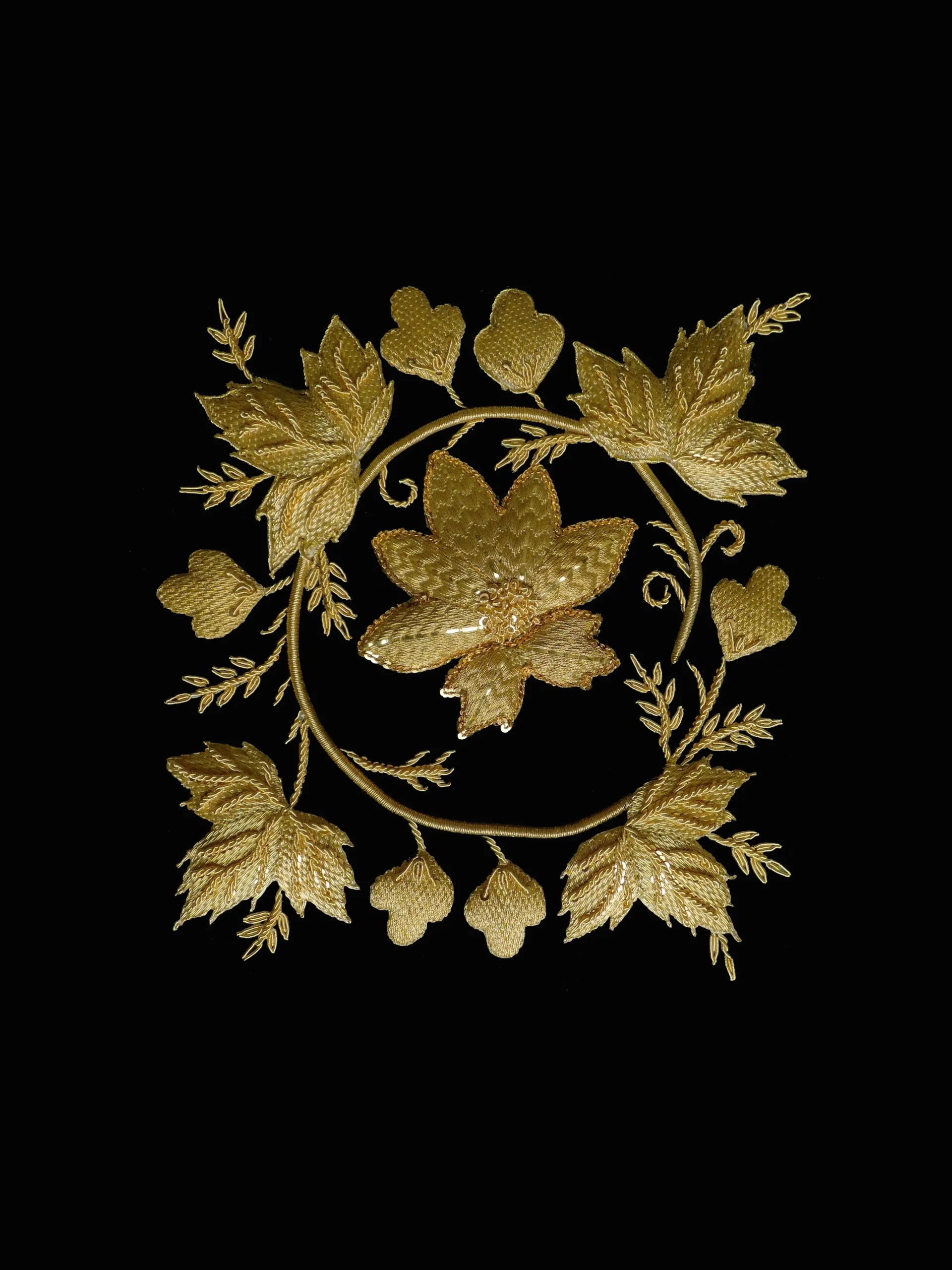
Flowers accompany us from beginning to descent — is their rebirth in spring not a reminder of the perishable, and of its antagonist, autumn? It is they, embroidered in gold, that accompany the work of Aurora Anita, who through intuition, subtlety, patience, beauty and obsession creates works that are a true ode to death; reminding us of the natural and healthy disconnection that was lived in ritual times, that part of the human being that has been forgotten from the industrial revolution to the present day.
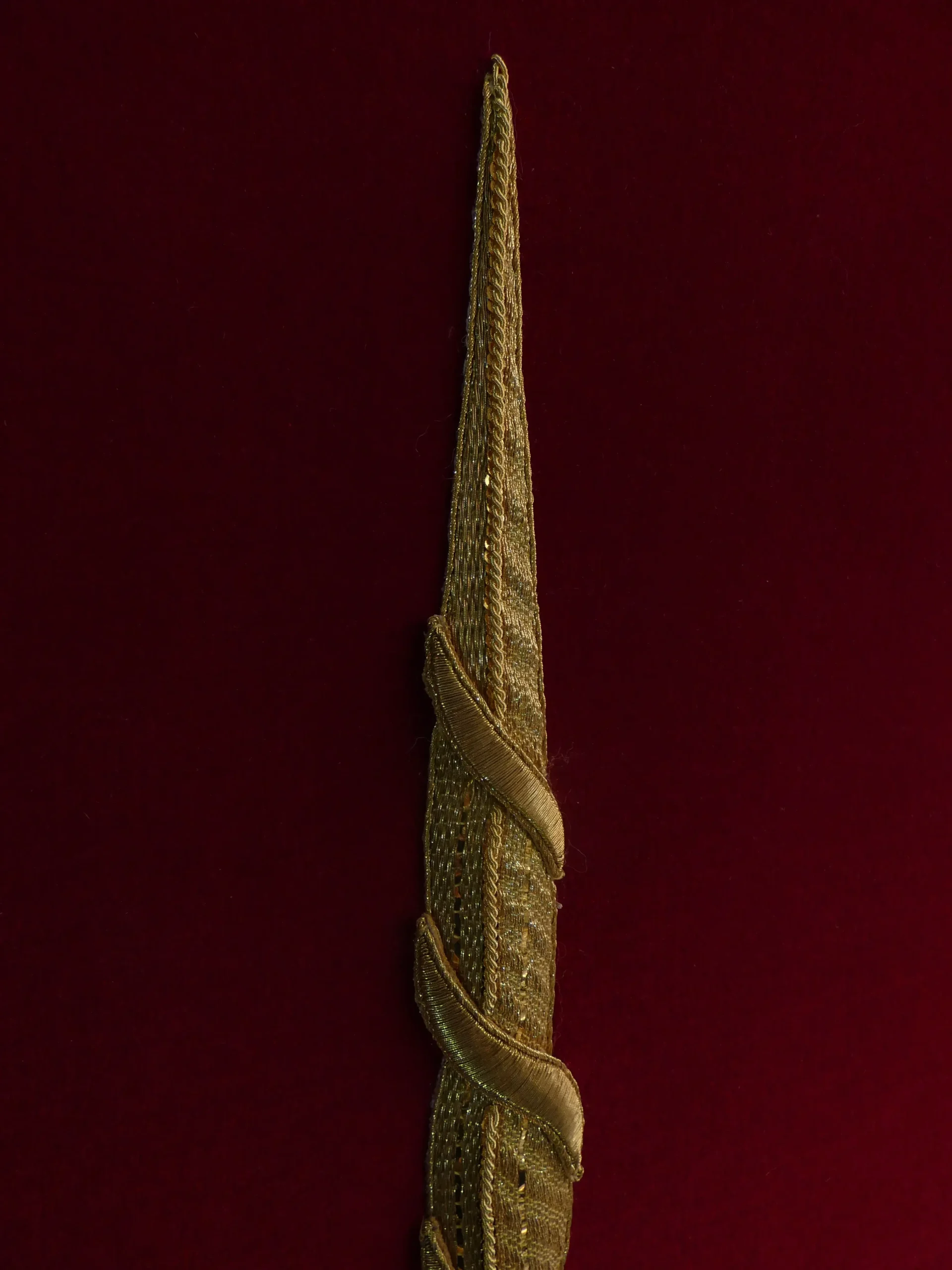
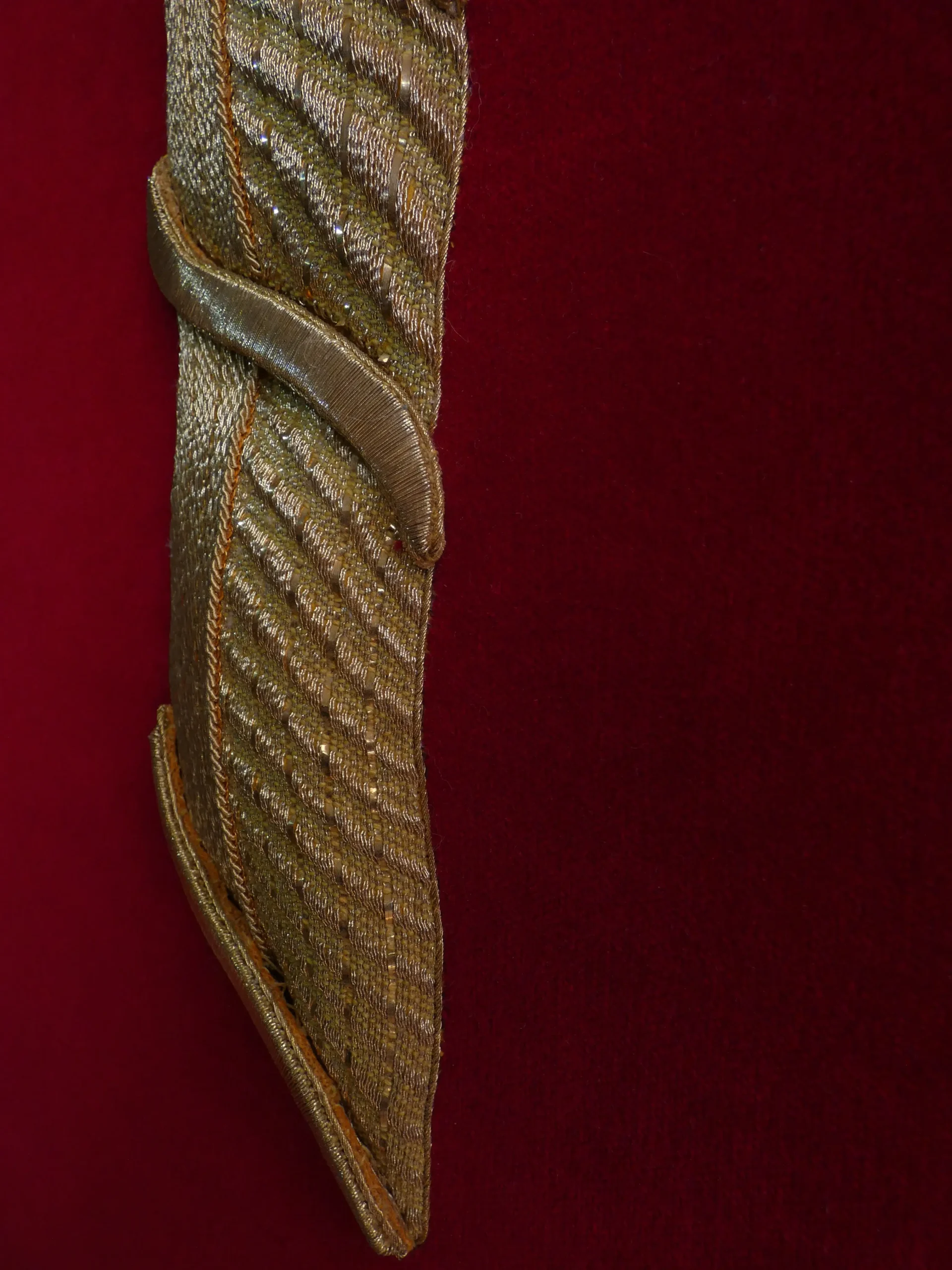
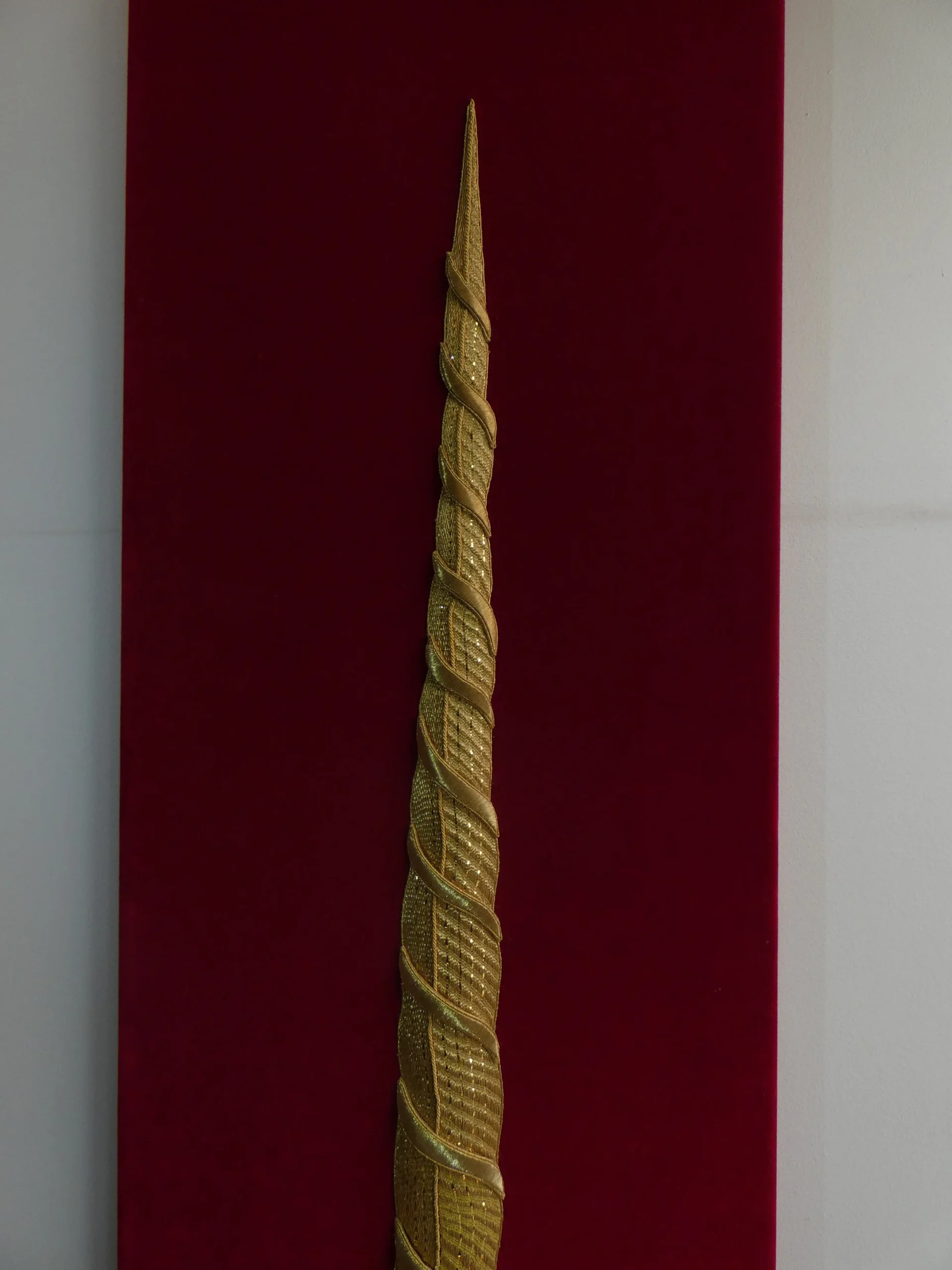
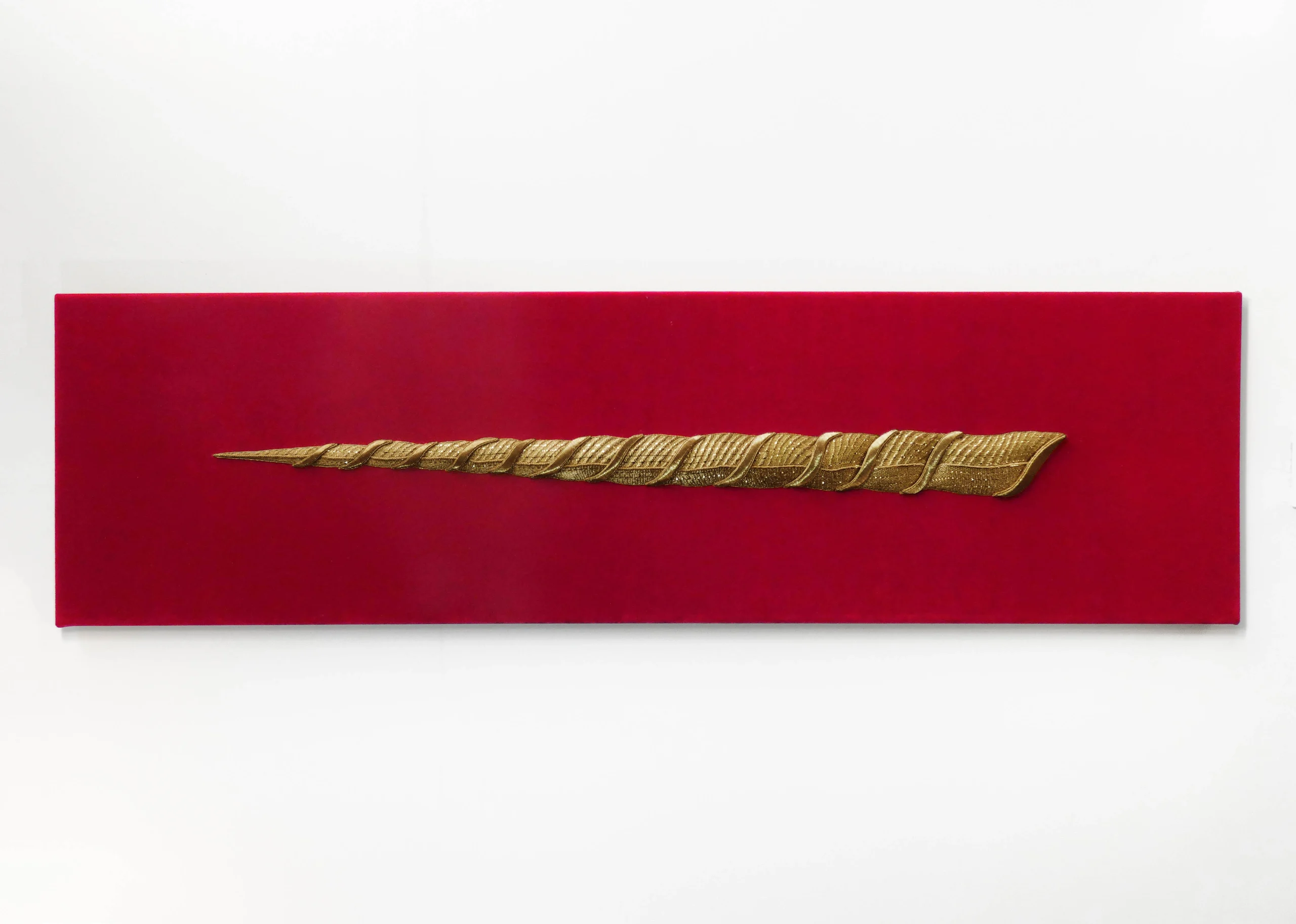
They are embroidered in abundance, because they have the quality of being a symbolic bridge between worlds — visible above and invisible at their root — serving as a metaphor for the union between worlds. In this way, other figures enter to reinforce the idea of the axis mundi, such as the horn of the unicorn, a mythological animal that everyone has heard of but no one has ever seen, which represents the journey between dimensions traversed daily by this creature, as Michael Green explains.
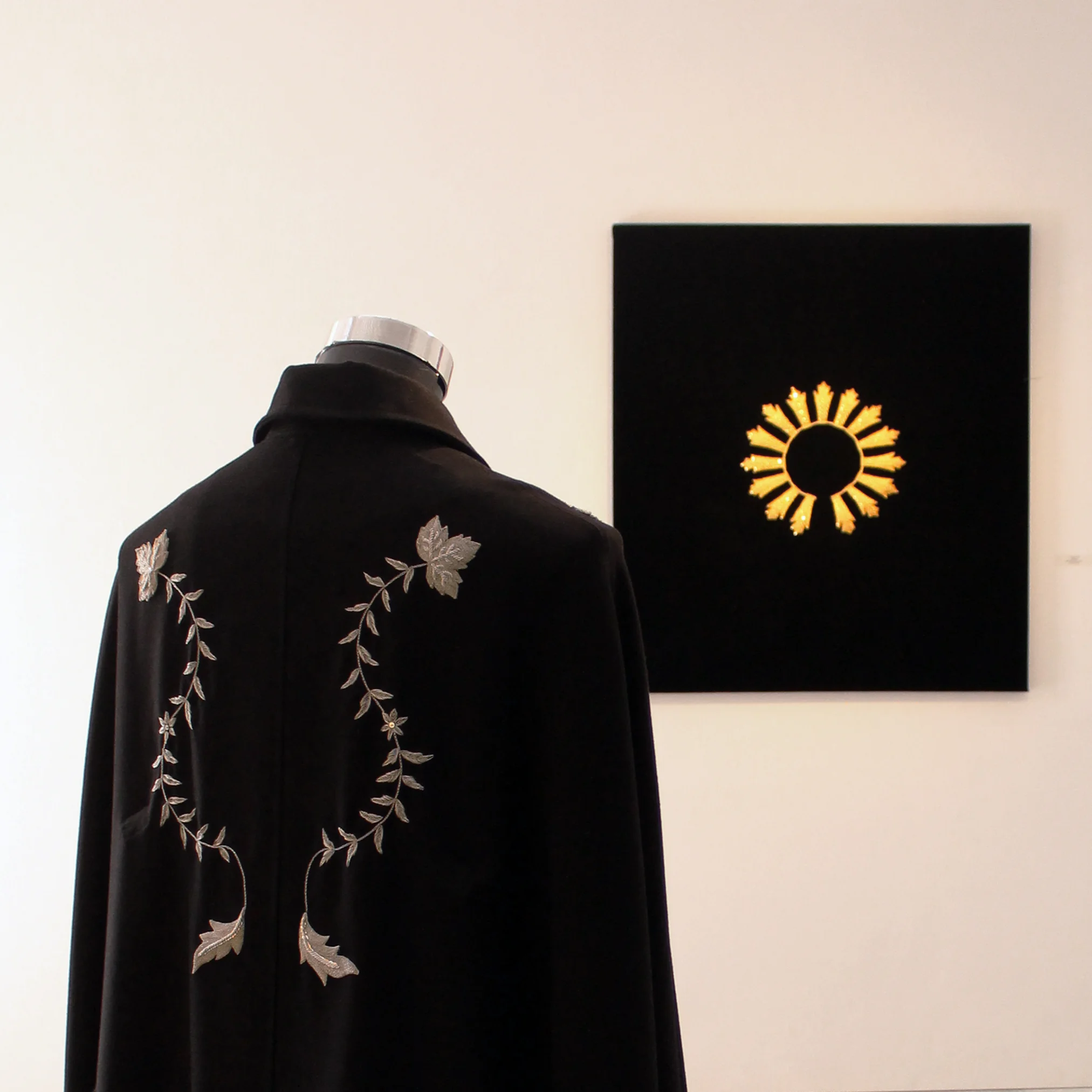
The crossing between worlds is a direct metaphor for death, for life after this life, and for the trance that returns to mythical time. It is here that the cape and the coffin, as volumetric forms, begin to make sense. That box of the dead draws us into the theme of the eternal journey, while reminding us of the fleetingness of life and time, and challenges the viewer through its reflection: what are you doing with the little life you have left? And there is also the cape, offering an answer about the spirit that possesses and inhabits it — like a veil that separates a person from the world and gives them shelter.
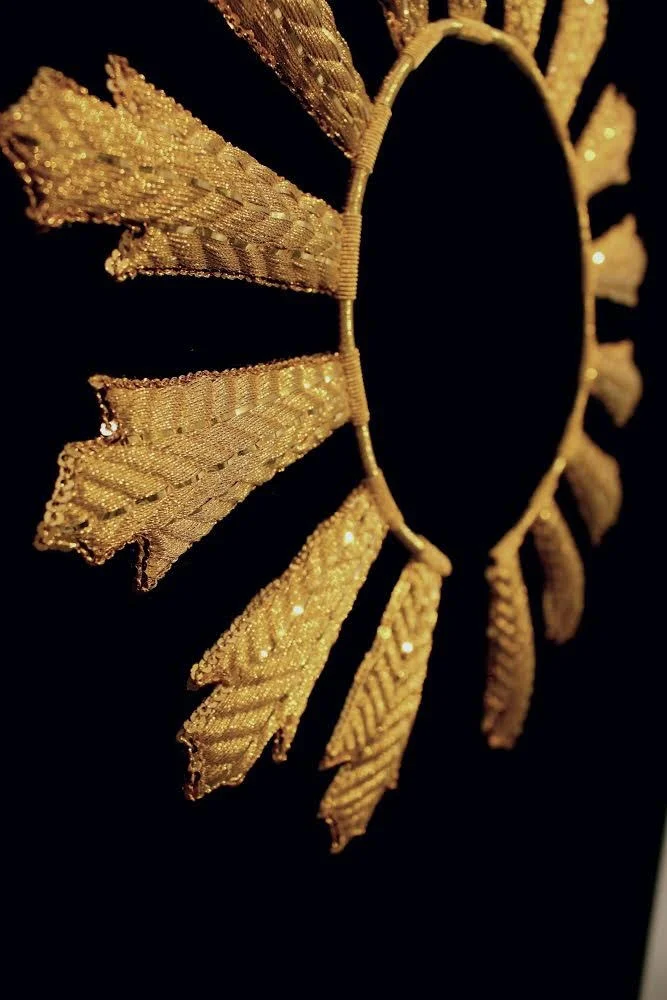
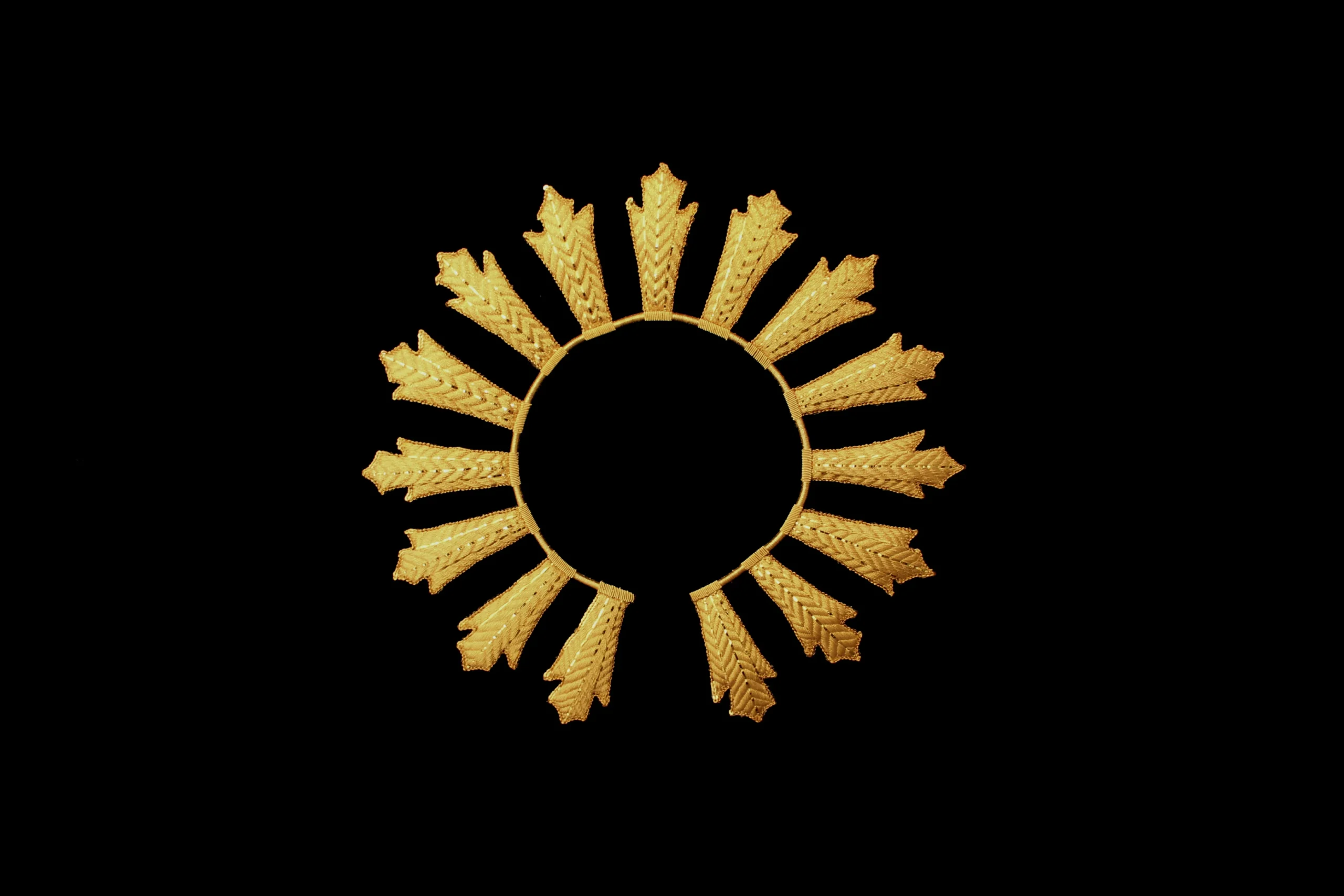
The cape is accompanied by a halo, symbolized through 15 solar rays that pay homage to the Sun, presented as the source of light that contains the essence of life. For the Sun is capable of crossing even the deepest waters without dissolving, supporting the idea of resurrection — of a death that becomes a journey rather than a final destination.
The narrative woven between the works that unifies Aurora Anita’s gold embroidery reads almost like a story. That embroidery which seems to hollow out time with each needle stitch, breaking the eternal web that traps, envelops and captivates us. A constant metaphor for pauses and untimeliness, for the elimination of automated control through manual work. A technique tied to the domestic that, united with the qualities of gold — symbolism of all that is superior — comes to close both the content and the form of the artist’s work.
Elisa Massardo
Cuanto existe en el tiempo, debe el tiempo deshacerlo.
– Del manuscrito original, descubierto y anotado por Michael Green.
Las flores nos acompañan desde el comienzo hasta el descenso, ¿no es su renacer en primavera, un recordatorio de lo perecedero y de su antagonista, el otoño? Son ellas, bordadas en oro, las que acompañan al trabajo de Aurora Anita, quien a través de la intuición, sutileza, paciencia, belleza y obsesiones crea obras que son una verdadera oda a la muerte; que nos recuerdan la desconexión natural y sana que se vivía en los tiempos rituales, esa parte del ser humano que ha sido olvidada desde la revolución industrial hasta los días de hoy.
Están bordadas en cantidad, porque tienen la cualidad de ser un puente simbólico entre los mundos al ser visibles por arriba e invisibles en su raíz, siendo una metáfora de la unión entre los mundos. De esta forma, otras figuras entran a reforzar la idea del axis mundis, como el cuerno del unicornio, animal mitológico del que todos han escuchado pero jamás se ha visto y que representa el viaje entre dimensiones traspasadas cotidianamente por este animal, según explica Michael Green.
El cruce entre los mundos es una metáfora directa a la muerte, a la vida después de esta vida y al trance que retorna al tiempo mítico. Es ahí donde la capa y el ataúd, como formas volumétricas, entran a hacer sentido. Aquella caja de muertos nos adentra a la temática del viaje eterno, mientras recuerda la fugacidad de la vida, del tiempo e interpela al espectador a través del reflejo ¿qué haces en esta escasa vida que te queda? Y está también la capa para entregar una respuesta sobre el espíritu que la posee y la habita, como un velo que separa a la persona del mundo y le da refugio.
La capa va acompañada de una aureola, simbolizada a través de 15 rayos solares que rinden culto al Sol, que se presenta como la fuente de luz que contiene la esencia de la vida, pues el Sol es capaz de cruzar hasta las aguas más profundas sin disolverse apoyando la idea de la resurrección, de una muerte que se convierte en viaje y no en un destino final.
Pareciera ser un cuento la narración entre las obras que unifica el trabajo en oro de Aurora Anita. Aquél bordado que pareciera ahuecar el tiempo con las puntadas de la aguja, romper esa malla eterna que nos atrapa, envuelve y cautiva. Como una metáfora constante de las pausas y del destiempo, de la eliminación del control automatizado a través del trabajo manual. Técnica vinculada a lo doméstico que unida a las cualidades del oro, simbolismo de todo lo superior, entran a cerrar el fondo y la forma del trabajo de la artista.
Elisa Massardo
